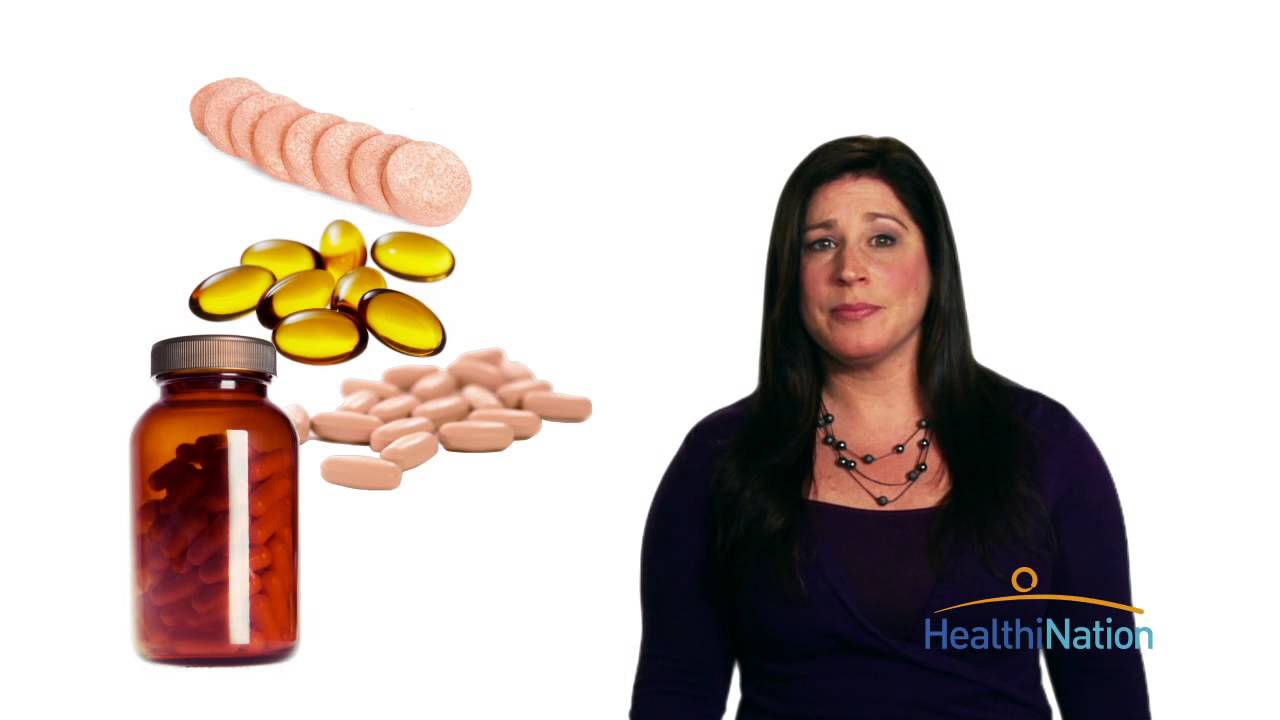
Learn the ABC’s about these 13 essential vitamins. Now that’s a lucky number! Related Videos: Omega-3s, Fish, and Fish Oils | HealthiNation http://youtu.be/wmhqQrir2oE Iron Rich Foods: The Essentials of Iron | HealthiNation http://youtu.be/BgdPeNr3TgY Sometimes “13” is a lucky number….That’s because there are 13 vitamins that are essential to your health: Vitamins A, C, D, E, K and the B vitamins (thiamine, riboflavin, niacin, pantothenic acid, biotin, vitamin B-6, vitamin B-12 and folate). Your body uses all of these for a range of metabolic processes, from digestion to proper nerve function. There are two types: water-soluble and fat-soluble. Water-soluble vitamins dissolve in water and then are easily absorbed by the gut. The body uses what it needs and then the kidneys flush out the excess. This is why you need a constant supply of these vitamins from your diet. Fat-soluble vitamins are retained in the body and therefore can be used later, and so don’t need constant replenishing. This is because fat-soluble vitamins are easily stored in the liver and fatty tissues. If you eat a nutritious, well-balanced diet, you normally can get all the vitamins you need. Your body can also make two of them…Vitamins D and K. If someone isn’t able to get enough of a certain vitamin from food, a dietary supplement or multivitamin might be recommended. Vegetarians, for example, often need to take extra B12. There are also certain groups with increased nutritional needs. For example, women with heavy periods need more iron. Women who are pregnant or are trying to get pregnant also benefit from taking folic acid and other prenatal vitamins. For a long time, vitamin deficiency diseases, like scurvy and rickets, were common. Then when nutritious food became more plentiful, research shifted to investigating whether large quantities of vitamins might be able to fend off certain diseases. But just because someone gets a definitive disease due to a serious lack of a particular vitamin doesn’t mean that consuming more than the Recommended Daily Allowance can prevent a range of diseases. Remember when megadoses of Vitamin C were thought to be a cure-all for everything from colds to cancer? Then Vitamin E was in the spotlight because of a possible link to Alzheimer’s and heart disease. Even the B’s had their moment of fame. And now it’s D. But follow-up studies haven’t shown any conclusive preventive benefit to megadosing. And in some cases, taking too much can be harmful. But that shouldn’t be so surprising. Our bodies are complex….and so it makes sense that the nutrients needed interact in really complicated ways. We also now understand that just because someone swallows a vitamin pill, that doesn’t mean it’s bioavailable, meaning it’s in a form our body can easily use. Real foods have many components, and it’s both the combination of various foods and of the components within them that helps our bodies absorb what we need in the quantities we need. And when you eat whole foods, you get a lot of other essentials, too. An orange, for example, provides not only vitamin C, but also beta carotene, calcium, fiber and other nutrients. A vitamin C supplement is missing all this other really important stuff. Sources: 1. Listing of Vitamins (accessed March, 2011 at http://www.health.harvard.edu/newsweek/Listing_of_vitamins.htm) 2. FDA 101: Dietary Supplements (accessed March, 2011 at www.fda.gov/consumer/updates/supplements080408.html) 3. Fortify Your Knowledge About Vitamins (accessed March, 2011 at www.fda.gov/consumer/update/vitamins111907.html) 4. Vitamin E for Alzheimer’s disease and mild cognitive impairment (Review), Isaac MGEKN, Quinn R, Tabet N, This is a reprint of a Cochrane review, prepared and maintained by The Cochrane Collaboration and published in The Cochrane Library 2008, Issue 3, © 2008 The Cochrane Collaboration. Published by John Wiley & Sons, Ltd. 5. Vitamin C for preventing and treating the common cold (Review), Hemilä H, Chalker E, Douglas B, © 2010 The Cochrane Collaboration. Published by John Wiley & Sons, Ltd.
The ABCs of Vitamins | HealthiNation
You Might Also Like
Insulin & Glucagon
![Read more about the article Top 10 Foods High In Protein [HD]](https://videos.drmaheshkumar.com/wp-content/uploads/2021/05/Top-10-Foods-High-In-Protein-HD-3-300x169.jpg)
Top 10 Foods High In Protein [HD]
MusclePharm AMINO1 amino acids supplement

Athletics Video – 1
METABOLISM BOOSTING Cardio — Workout to INCREASE METABOLISM

What’s Your Body Type – Endomorph Diet

What Are BCAAs Branched Chain Amino Acids? When & How To Use

How To Do TRICEPS BENCH DIPS EXERCISE
Top Health Benefits of Omega 3 You Should Not Miss

Medical Grade Supplements | Dr. Shel Wellness & Aesthetic Center

hormone replacement therapy – How to Increase Estrogen Healthy Life Styles

3 PREACHER CURLS THAT MADE MY BICEPS EXPLODE
Cardiac surgery Video – 5
Testosterone & Androgenic Effects Video – 47
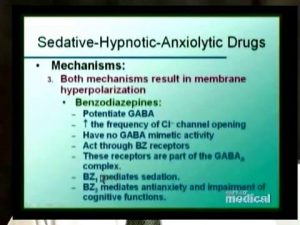
Sedative-Hypnotic-Anxiolytic drugs (pharmacology)

Sugar Free, Low Sugar Video – 29

Is it possible to GAIN WEIGHT while eating WHOLE FOODS??

Hormone, androgenic – Medical Meaning and Pronunciation

Rocks and Minerals for Kids – The Rock Cycle

Fat Burning Process
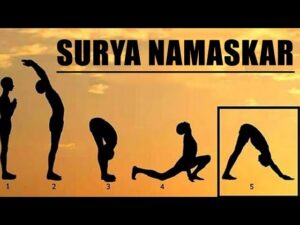
Surya Namaskar Video – 2
How to Lose Weight Fast Salads: for your Weight Loss Diets
What is Liver Hemangioma? – Dr. Nanda Rajaneesh
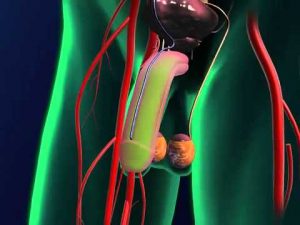
Erectile Dysfunction animation flv
When To Take Creatine — Pre- or Post-Workout? | Myprotein
Anabolic Steroids – History, Definition, Use & Abuse Video – 32
![Read more about the article Drug Induced Renal Failure – Causes, Symptoms & Stages [Doctor Interview]](https://videos.drmaheshkumar.com/wp-content/uploads/2021/05/Drug-Induced-Renal-Failure-Causes-Symptoms-Stages-Doctor-Interview-300x169.jpg)
Drug Induced Renal Failure – Causes, Symptoms & Stages [Doctor Interview]
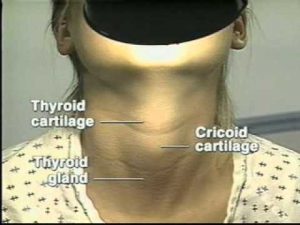
Lymph node, thyroid examination
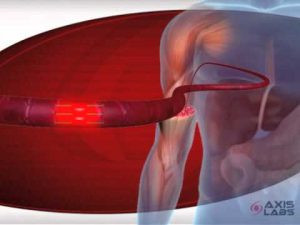
How does Creatine work? | Axis Labs

How to Do a Reverse Curl | Arm Workout
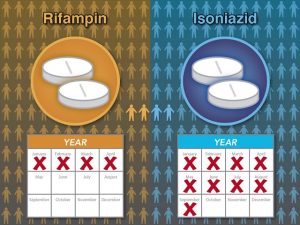
Treating Latent Tuberculosis

Does Eating Right Before Bed Lead to Weight Gain?
Orthopedic Surgery Video – 4
Human Body, Body Building Muscle Building Anatomy Physiology Video – 49

Neuropsychiatry Video – 4
Normal Echo
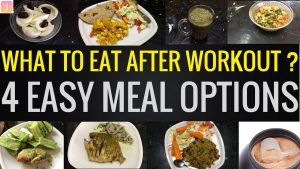
4 Post Workout Meal options to Lose Fat and Gain Muscle.
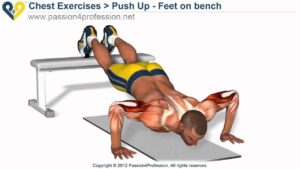
Bench Press Up – perfect push up exercise – feet on bench
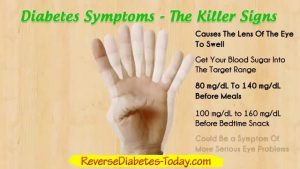
Diabetes Symptoms – Diabetes Type 2 and Diabetes Type 1
Is There A Pimple Cure?

PetSolutions: Prime Vitamin, Mineral, Amino Acid Supplement