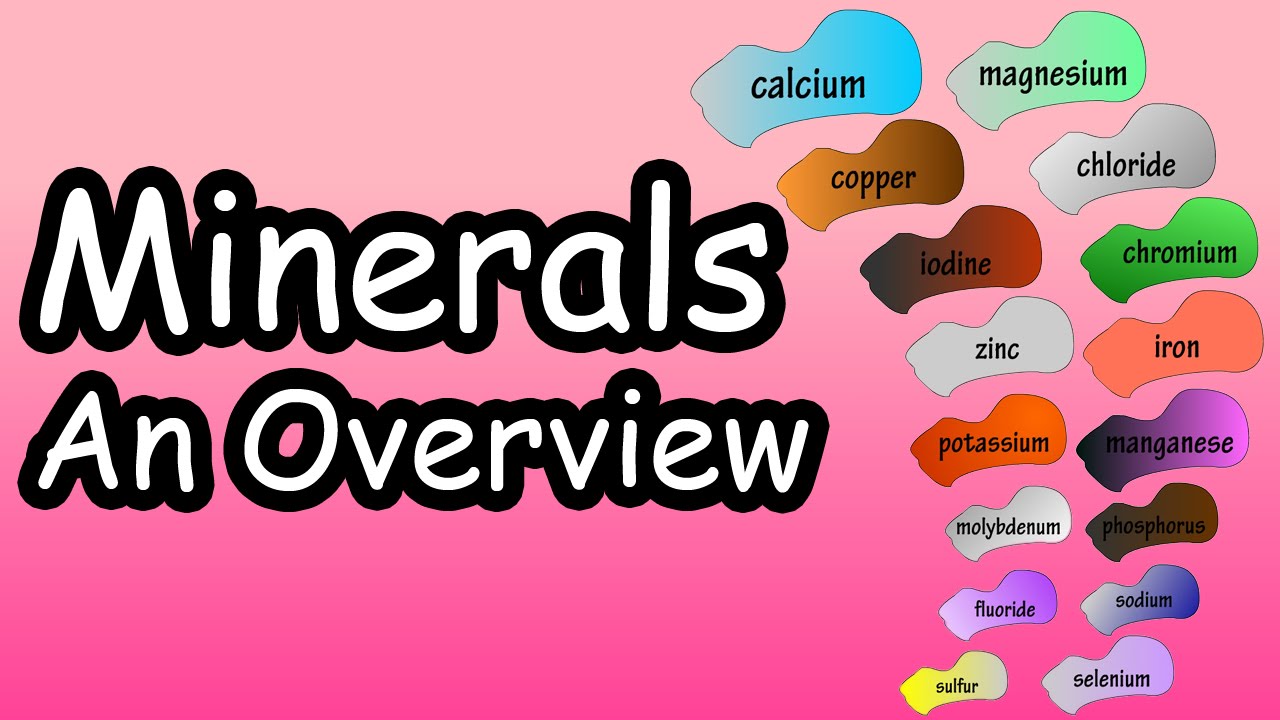
In this video I discuss what are minerals, what do minerals do in the body, as well as minerals nutrition. Transcript Whats up dudes, and whats up ladies, Bryan here and in this video we are going to look at minerals. This video is going to be a general overview VIDEO. I will be posting individual mineral videos in the near future. In this video we are going to look at what minerals are. The degree at which they are absorbed. And the 2 groups they are divided into. So, Lets roll. Minerals are an inorganic, not derived by a living matter substances needed in trace to small amounts to help regulate bodily functions, such as assisting with muscle contraction and regulating enzyme activity. Nearly All minerals with the exception of iron are absorbed in their free form. In most cases, When a mineral is bound to other molecules the mineral absorption is impaired. Also, Mineral-mineral interactions can interfere with how well minerals are absorbed. One example is that iron supplementation may decrease the ability of the body to absorb zinc. This is worth noting when considering taking mineral supplements. The degree at which a mineral can be absorbed is known as its bioavailability. High mineral bioavailability can be categorized when 40% of the mineral can be absorbed. The minerals included in this category are chloride, fluoride, iodine, potassium, and sodium. Minerals that have low bioavailability 10% include chromium, iron, manganese, and zinc. All other minerals have a bioavailability of 30 to 40%. The minerals that the body needs are called essential minerals. There are 16 of them, which I have listed on the screen. These can be divided into two groups; macrominerals and microminerals. Macrominerals are major elements and include calcium, chloride, magnesium, phosphorus, potassium, sodium, and sulfur. These elements have a recommended daily intake of 100 mg per day or more for adults. Microminerals are trace minerals and include chromium, copper, fluoride, iodine, iron, manganese, molybdenum, selenium, and zinc. Of these trace elements the only ones that have an established recommended daily intake are iodine, iron, selenium and zinc. Bottom Line Time…A great approach is to consume A balanced diet that contains a variety of nutrient dense foods that are not highly processed, That can provide the body with the essential minerals. Timestamps 0:00 Intro 0:20 What are minerals nutritionally? 1:01 Mineral absorption 1:30 What are the essential minerals?
Minerals – What Are Minerals – What Do Minerals Do – What Are The Essential Minerals
You Might Also Like
How to Do Crunches

Critical Care Medicine Video – 2

What does isotretinoin mean?
What Are Vitamins and Why Are They Important for You

How to do Dumbbell Shrugs & Single Arm Shrugs
What are the symptoms of kidney disease ?
Branches of Physiotherapy Video – 6
SCHILLER electrode placement for resting ECG with standard electrode set
Diabetes Animation YouTube

Barbell Deadlift Bent Row Complex | Exercise Guide

Definition Fitness – Building Dolph

How to Do a Hammer Curl | Female Bodybuilding
TOP 5 WHEY PROTEIN Supplements 2015
Module-Minute-The-Five-Health-Related-Fitness-Components

General Practice Video – 4

BICEPS – Narrow Grip Barbell Curl

Skiing Video – 1

Holistic Spa Video – 3

HAMMER CURLS- 5 DIFFERENT TYPES- Rich Piana
(CC) How to Pronounce ondansetron (Zofran) Backbuilding Pharmacology

Flat Bench Press Dumbbell-5
What is CTE?
The Iodine-Estrogen Connection: MUST WATCH! Dr.Berg
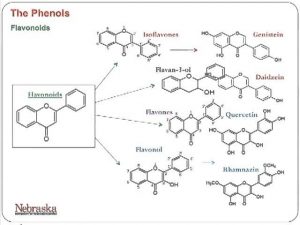
University of Nebraska, Part 4: Phenolic Based Antioxidants

Rugby Video – 3
How to make low budget size gain protein powder at home/how to make protein powder/protein kese bnay
Creatine long term side effects

Weight Training Video – 2
Calcium – How Much Calcium Does The Body Need – Why Does The Body Need Calcium
How To Do One Hand Triceps Extensions | TRICEPS WORKOUT DATABASE

Bodybuilding Nutrition, Diet Recipes & Workout – 45
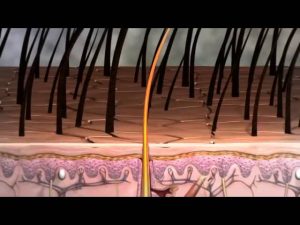
Hair Anatomy
Understanding Cholesterol and its Effects
Human Physiology – Hormonal Regulation of Male Reproduction
Pulley Curl-1
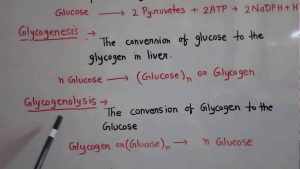
Metabolism of carbohydrate part 1

Anabolism and Catabolism

Nutrition – Simple Guide To Any Body Transformation | Furious Pete

6 foods you should eat after vomiting || Health Sutra – Best Health Tips
Ask a cardiologist: Lipid profile: All you need to know (Expert opinion)
Long term effects of steroids on the body – Onlymyhealth.com