What Happens During a Heart Attack? The heart muscle requires a constant supply of oxygen-rich blood to nourish it. The coronary arteries provide the heart with this critical blood supply. If you have coronary artery disease, those arteries become narrow and blood cannot flow as well as they should. Fatty matter, calcium, proteins, and inflammatory cells build up within the arteries to form plaques of different sizes. The plaque deposits are hard on the outside and soft and mushy on the inside. When the plaque is hard, the outer shell cracks (plaque rupture), platelets (disc-shaped particles in the blood that aid clotting) come to the area, and blood clots form around the plaque. If a blood clot totally blocks the artery, the heart muscle becomes “starved” for oxygen. Within a short time, death of heart muscle cells occurs, causing permanent damage. This is a heart attack. While it is unusual, a heart attack can also be caused by a spasm of a coronary artery. During a coronary spasm, the coronary arteries restrict or spasm on and off, reducing blood supply to the heart muscle (ischemia). It may occur at rest, and can even occur in people without significant coronary artery disease. Each coronary artery supplies blood to a region of heart muscle. The amount of damage to the heart muscle depends on the size of the area supplied by the blocked artery and the time between injury and treatment. Healing of the heart muscle begins soon after a heart attack and takes about eight weeks. Just like a skin wound, the heart’s wound heals and a scar will form in the damaged area. But, the new scar tissue does not contract. So, the heart’s pumping ability is lessened after a heart attack. The amount of lost pumping ability depends on the size and location of the scar.
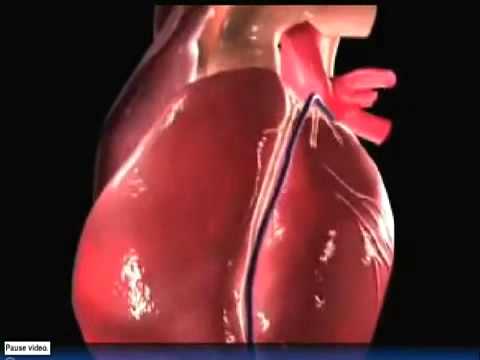
Watch Heart Attack in 3D
You Might Also Like

Indian Athletes | Neeraj Chopra, Anu Rani, Tajinder Toor, Hima Das
Quick review of thyroid hormone synthesis.
Kidney Transplant animated

What is Osteoporosis?
How to Get Toned Abs (IN ANY LIGHTING!)
5 Reasons Sex Hurts (Penis Edition)
How to Stretch Your Chest (AND HOW NOT TO!)
The Sprinter Bodyweight Cardio Drill
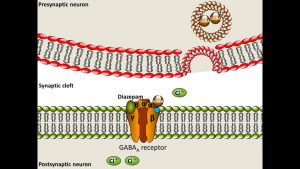
Diazepam – Mechanism of Action
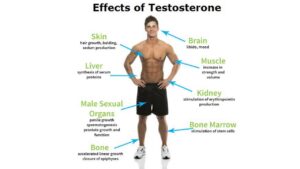
Effects of Testosterone on Men
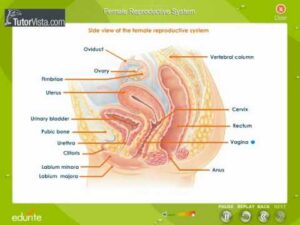
Female reproductive System Part2

What is Finasteride and Minoxidil? – Hair Loss for Women
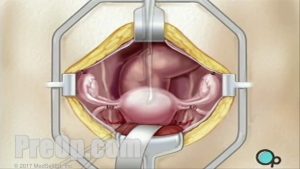
Hysterectomy Removal of Uterus, Ovaries and Fallopian Tubes Surgery PreOp® Patien Education
Back extension / Hyperextension ( lower back exercises )
Close Grip Triceps Extension-2
Latissimus Dorsi Bent Over Row-8
Heart Protective Medicine Atenolol

What Would I Eat if I had Diabetes? Try Dr.Berg’s Diet For Diabetes
SculpSure for Treatment of Grade I Gynecomastia
Sports Physiotherapy Video – 5

Archery Video – 3
Dr Ramakrishna tells about the diet in Jaundice | Online Health Tips
Biological Psychiatry Video – 2
Semen Analysis – Within normal
Human Body, Body Building Muscle Building Anatomy Physiology Video – 4
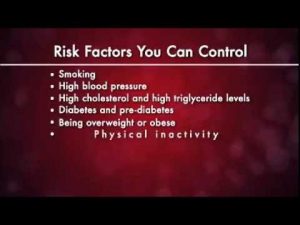
Controlling and Preventing Heart Disease Risk Factors
Can You Drink Too Much Water?
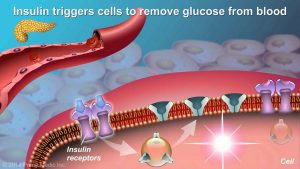
Understanding Type 2 Diabetes

Intermittent Fasting & Fasting Video – 28
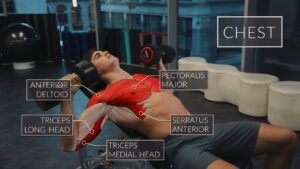
Exercise Anatomy: Chest Workout | Pietro Boselli
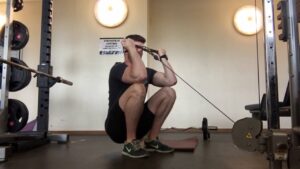
Preacher Curl On Cable Machine
Alternating hammer curls (standing with dumbbells)

Workout Stretching and Easy Warm Up Exercises – Static and Dynamic Stretching

What is BMI? – Understanding Body Mass Index
2016-08-27 upper back Smith machine behind the back shrugs 00029
Chest Exercises Pectorial
What Is Yoga Video – 1
The Muscular System Explained In 6 Minutes
Warm Up
Bench Dips for Big Triceps, How to Get Big Triceps

Benefits of a Creatine Supplement – Know Your Supps