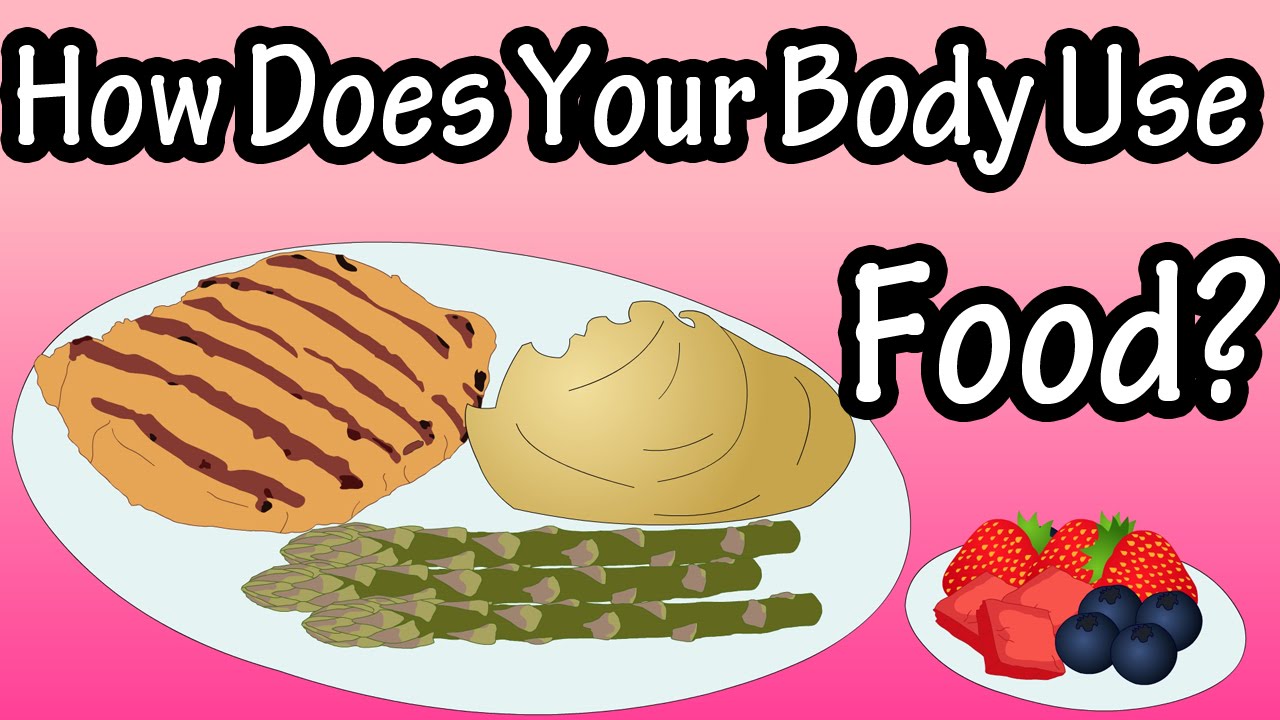
In this video I give a very basic look at how food is used in the body. How the body uses carbs, protein, and fats. It can help you understand, to a small degree, how do people get fat, and why do people get fat. And hopefully an understanding of why you are what you eat. Transcript So, how does your body use food? Well, we have to look at the macronutrients, carbohydrates, proteins and fats. We are going to take a very basic look at this by starting with carbs. Essentially carbs are going to be used in 3 different ways. As immediate energy, as stored energy, or as stored fat. During the digestive process, carbs are converted to glucose, which is what cells use as energy. The liver sends this glucose into the bloodstream to be used as immediate energy for cells. Once the bloodstream has enough glucose in it, the liver takes the extra glucose and converts it to glycogen, which is a stored form of glucose energy. Glycogen gets stored in the liver and muscles, which combined can store about 2000 calories worth. Once the bloodstream is full and the glycogen tanks are full, the extra glucose or carbs are stored as fat in fat tissue. Now for proteins. Proteins are also going to be used in mainly 3 different ways. They are used to build stuff, used as energy, or stored as fat. During the digestive process proteins are broken down into their main components of amino acids. These amino acids can be used to make enzymes, hormones, build and maintain tissues, construct transport proteins, which transport fats throughout the body, and make antibodies, which help neutralize some bacteria and viruses in the body. If the body is low on fuel, it can convert proteins to energy. And, if the body doesn’t need to use protein for all of the situations just mentioned, it can be, through a lengthy process, converted to and stored as fat. Next up is fats. Fats are also going to be used in mainly 3 different ways. They are used as part of many cell membranes, they can be stored as energy in the liver or in fat tissue, and they can be used as energy in the form of keytones or through being converted to glucose. So, as you can see, you are what you eat. And that is the basics of how food is used in your body. So, don’t overeat
How The Body Uses Food – You Are What You Eat
You Might Also Like
Steroids BAD! TRT GOOD! The Effects On Your Heart (Latest Studies)
Normal Blood Sugar Level
Dynamic Stretches to WARM UP Chest Muscles (before you bench!)

How to Prevent Prediabetes from Turning into Diabetes
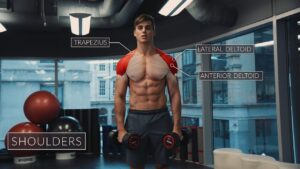
Exercise Anatomy Video – 2

Causes of Androgenetic Alopecia
What Is BMI (Body Mass Index)?
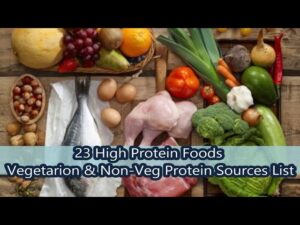
Top 23 High Protein food List
Human Body – Anat & Physio
Repetitions Sets
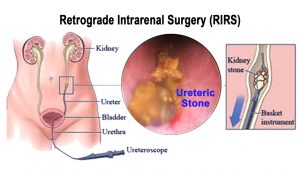
What is RIRS & How Retrograde Intrarenal Surgery Removes Kidney Stones

Before and after using the HGH
Human Body, Body Building Muscle Building Anatomy Physiology Video – 34
Endurance
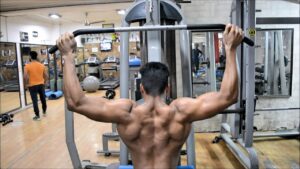
How To Get V-Shape Back
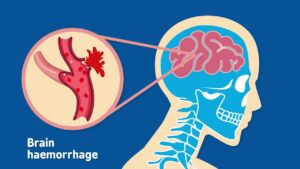
What is a head injury?

Neuro-Linguistic Programming Video – 4
What Are Kidney Stones – Kidney Stone Home Remedies

Understanding semen analysis – Dr. Teena S Thomas
Sports Physiotherapy Video – 5

Anemia In Children – Causes, Symptoms and Treatment

8 Best Dumbbell Exercises Ever (HIT EVERY MUSCLE!)
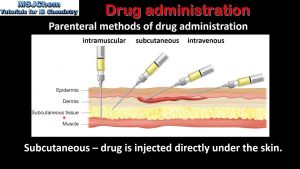
D.1 Methods of drug administration (SL)

8 Foods to Avoid During Pregnancy II Pregnancy Diet Plan II Diet in First Trimester to Third Trimest
Chapter 11 propranolol

Overweight & Obesity Video – 22
What is WATER CHILLER? What does WATER CHILLER mean? WATER CHILLER meaning, definition & explanation

ECG in Dextrocardia
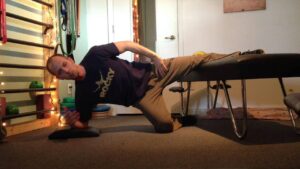
Intermediate Inner Thigh Adductor Exercises

Kriya Video – 2
Strokes: Brain Damage
Reversing Diabetes – Dr.Ravi Sankar Endocrinologist MRCP(UK) CCT – GIM (UK)
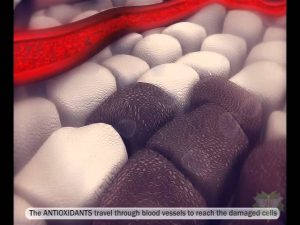
Antioxidants – vs – Free Radicals – Immune System
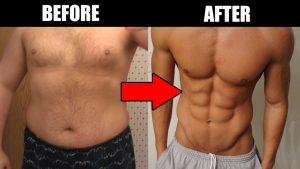
BEST Workout & Diet ADVICE for DATING | How to Build Muscle & Lose Fat FAST
Best foods for the treatment of anemia
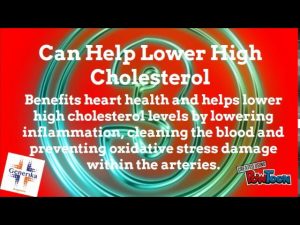
Silymarin
What Is Diabetes
Instructional Fitness – Seated Leg Press

How Steroid Usage Destroys the Heart Muscle
Diet Plan for Diabetes Management-Part 1
SCHILLER electrode placement for resting ECG with standard electrode set