
The pituitary gland is often referred to as the “master gland” of the body, since it regulates many activities of other endocrine glands. Located above the pituitary gland is the hypothalamus. The hypothalamus decides which hormones the pituitary should release by sending it either hormonal or electrical messages. In response to hormonal messages from the hypothalamus, the pituitary gland releases the following hormones: GH (growth hormone) – increases size of muscle and bone TSH (thyroid stimulating hormone) – stimulates the thyroid gland to release T3 and T4 to stimulate metabolism in other cells throughout the body FSH (follicle stimulating hormone) – stimulates ovarian follicle production in women; stimulates sperm production in men LH (luteinizing hormone) – stimulates ovaries to produce estrogen in women; stimulates sperm production in men Prolactin – stimulates breast tissue in nursing mothers to produce milk ACTH (adrenocorticotropic hormone) – causes the adrenal glands to produce important substances that have properties similar to steroids In response to electrical messages from the hypothalamus, the pituitary gland releases the following hormones: ADH (antidiuretic hormone) – stimulates the kidneys to reabsorb fluid and produce less urine Oxytocin – initiates labor, uterine contractions and milk ejection in mothers The pituitary gland, or hypophysis, is an endocrine gland about the size of a pea and weighing 0.5 grams (0.018 oz) in humans. It is a protrusion off the bottom of the hypothalamus at the base of the brain. The hypophysis rests upon the hypophysial fossa of the sphenoid bone in the center of the middle cranial fossa and is surrounded by a small bony cavity (sella turcica) covered by a dural fold (diaphragma sellae). The anterior pituitary (or adenohypophysis) is a lobe of the gland that regulates several physiological processes (including stress, growth, reproduction, and lactation). The intermediate lobe synthesizes and secretes melanocyte-stimulating hormone. The posterior pituitary (or neurohypophysis) is a lobe of the gland that is functionally connected to the hypothalamus by the median eminence via a small tube called the pituitary stalk Hormones secreted from the pituitary gland help control the following body processes: Growth Blood pressure Some aspects of pregnancy and childbirth including stimulation of uterine contractions during childbirth Breast milk production Sex organ functions in both males and females Thyroid gland function The conversion of food into energy (metabolism) Water and osmolarity regulation in the body Water balance via the control of reabsorption of water by the kidneys Temperature regulation Pain relief Sleeping patterns (pineal gland) Some of the diseases involving the pituitary gland are: Central diabetes insipidus caused by a deficiency of vasopressin. Gigantism and acromegaly caused by an excess of growth hormone in childhood and adult respectively. Hypothyroidism caused by a deficiency of thyroid-stimulating hormone. Hyperpituitarism, the increased (hyper) secretion of one or more of the hormones normally produced by the pituitary gland. Hypopituitarism, the decreased (hypo) secretion of one or more of the hormones normally produced by the pituitary gland. Panhypopituitarism a decreased secretion of most of the pituitary hormones. Pituitary tumours. Pituitary adenomas, noncancerous tumors that occur in the pituitary gland. Somatotrophins: Human growth hormone (HGH), also referred to as ‘growth hormone’ (GH), and also as somatotropin, is released under the influence of hypothalamic growth hormone-releasing hormone (GHRH), and is inhibited by hypothalamic somatostatin Thyrotrophins: Thyroid-stimulating hormone (TSH), is released under the influence of hypothalamic thyrotropin-releasing hormone (TRH) and is inhibited by somatostatin. Corticotropins: Adrenocorticotropic hormone (ACTH), and Beta-endorphin are released under the influence of hypothalamic corticotropin-releasing hormone (CRH). Lactotrophins: Prolactin (PRL), also known as ‘Luteotropic’ hormone (LTH), Gonadotropins: Luteinizing hormone (also referred to as ‘Lutropin’ or ‘LH’). Follicle-stimulating hormone (FSH), both released under influence of Gonadotropin-Releasing Hormone (GnRH) The intermediate lobe synthesizes and secretes the following important endocrine hormone: Melanocyte–stimulating hormone (MSH). This is also produced in the anterior lobe. When produced in the intermediate lobe, MSHs are sometimes called “intermedins”. Posterior: Magnocellular Neurons: Antidiuretic hormone (ADH, also known as vasopressin and arginine vasopressin AVP), the majority of which is released from the supraoptic nucleus in the hypothalamus. Oxytocin, most of which is released from the paraventricular nucleus in the hypothalamus.
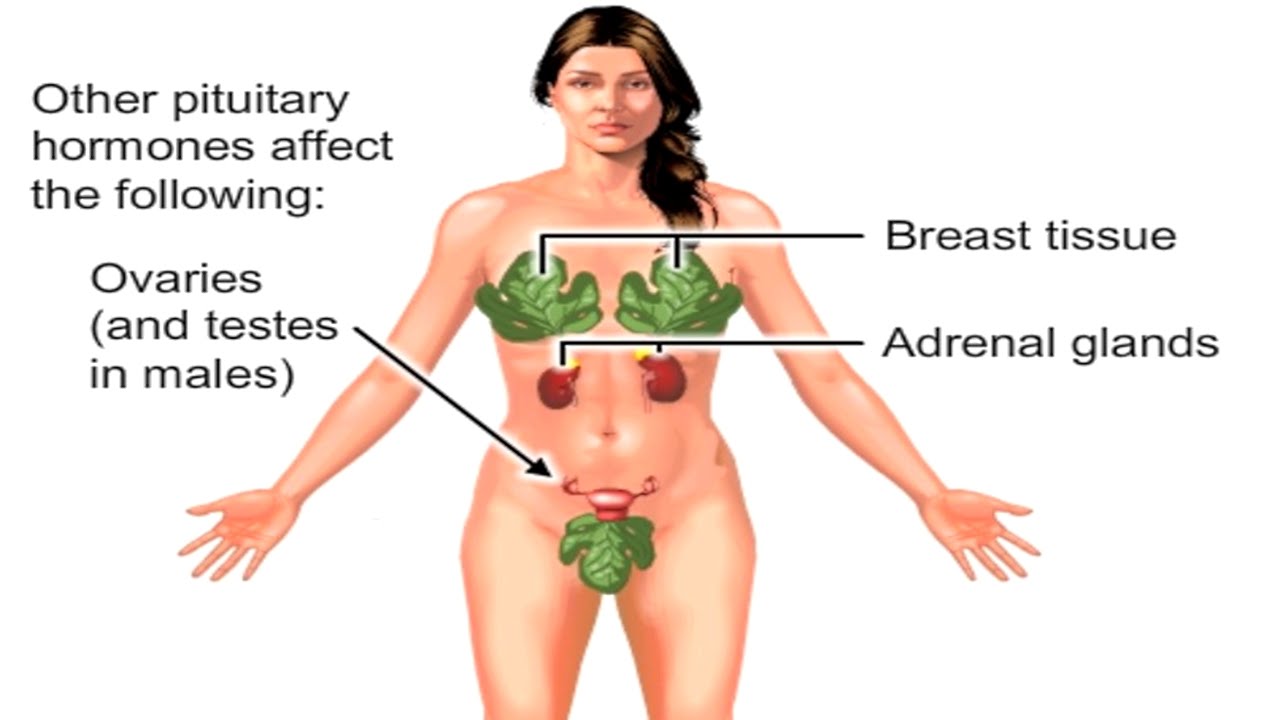
How Does Pituitary Gland Work? Hormones of Hypophysis Functions & Disorders Animation -TSH FSH Video
You Might Also Like

Can steroids for muscle gain & painkillers lead to Kidney Failure? – Dr. Vidyashankar Panchangam

V Position Exercise-1

How Much Protein Do You Need Per Day? | Health and Fitness Tips | Guru Mann

Laproscopic Surgeries Video – 1

Pectoralis Pushups-7

Ophthalmology Video – 2

Which Foods Are Low In Fat
Sex Hormones and Drugs

Decline Dumbbell Bench Press – Chest Exercise
11 Signs Your Body Needs More Magnesium

Skinny Fat Explained – Dealing with Being Skinny but Belly Fat Lingers
Thyroid Cure Permanently With in Week – Thyroid Free for Raw Onion
Type 2 Diabetes: Understanding the Link Between Obesity & Type 2 Diabetes

Chess Video – 2

Can Eating Carbs at Night Make You Gain Weight?
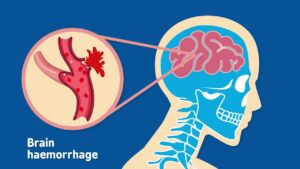
What is a head injury?

Back Exercises – How to Perform Dumbbell Back Rows & Pullovers

Top 5 Arnold Schwarzenegger Chest Exercises

Lying Triceps Extension (LTE) – Gym Shorts (How To)

Neuro-Linguistic Programming Video – 4
Minimum Recommended Daily Allowance of Antioxidants

Clinical Psychology Video – 1
Physiology

BCAA Supplements – What Are BCAA’s And How Do They Work? | GuruMann Review

Testosterone & Androgenic Effects Video – 3

Male Over 40 Fat Loss Nutrition
Pantoprazole & Domperidone Tablets by Yagya Pharmaceutical
What Is Renal Dysfunction?
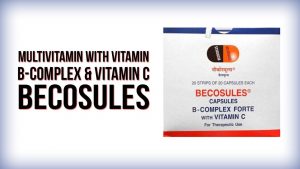
Multivitamin with Vitamin B Complex Forte & Vitamin C BECOSULES

Basal Metabolic Rate (BMR) – Explained – Part 1

Why Fast Food & Soda Are Bad for Heart | Heart Disease
Osteoporosis- Causes, Symptoms, Diagnosis and Treatment
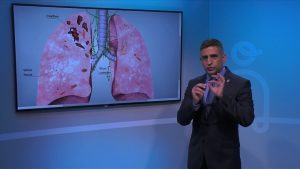
Effects of Tuberculosis on Lungs
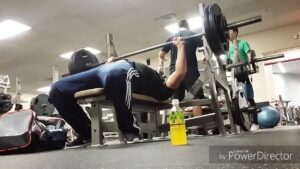
Kizen Bench Program|245lbs 8×3|Week 1 day 1
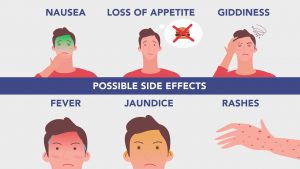
What is Tuberculosis?
Celery and lemon Drink The Quickest Way to Burn fat and Lose Weight
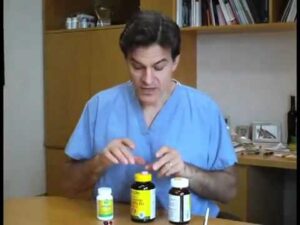
Dr Oz’s Recommendation on Vitamins

How Does Protein Build Muscle?
Lactation Cookies – Easy Recipes for Moms – Weelicious
Latissimus Dorsi Bent Over Row-8
CDC Tuberculosis (TB) Transmission and Pathogenesis Video