
(USMLE topics, endocrinology) Regulation of thyroid hormone, hyper- and hypothyroidism: causes, symptoms and treatment, goiter. This video is available for instant download licensing here https://www.alilamedicalmedia.com/-/galleries/narrated-videos-by-topics/endocrinology-basics/-/medias/db2b8c0b-5e34-4dfa-9ea9-3ce376ef52c4-thyroid-gland-hormones-and-problems-narrated-animation Voice by: Sue Stern ©Alila Medical Media. All rights reserved. Support us on Patreon and get FREE downloads and other great rewards: patreon.com/AlilaMedicalMedia All images/videos by Alila Medical Media are for information purposes ONLY and are NOT intended to replace professional medical advice, diagnosis or treatment. Always seek the advice of a qualified healthcare provider with any questions you may have regarding a medical condition. The thyroid is a butterfly-shaped ENDOCRINE gland located in the neck. It is wrapped around the trachea, just below the thyroid cartilage –the Adam’s apple. The two major hormones of the thyroid are triiodothyronine, T3 and thyroxine, T4. The numbers 3 and 4 indicate the number of iodine atoms present in a molecule of each hormone. T3 and T4 are collectively referred to as THYROID hormones. Thyroid hormone secretion is under control of thyroid-stimulating hormone, TSH, from the anterior pituitary. TSH, in turn, is induced by thyrotropin-releasing hormone, TRH, produced by the hypothalamus. The amount of circulating thyroid hormones is regulated by a negative feedback loop: when their levels are too high, they SUPPRESS the production of TSH and TRH, consequently INHIBITING their own production. Thyroid hormones act to INCREASE the body’s metabolic rate. They stimulate appetite, digestion, breakdown of nutrients and absorption. They also increase oxygen consumption, raise the breathing rate, heart rate and contraction strength. As a result, the body’s HEAT production is INCREASED. Thyroid hormone secretion usually rises in winter months to keep the body warm. Thyroid hormones are also important for bone growth and fetal brain development. There are 2 major groups of thyroid problems: HYPOthyroidism: when the thyroid does NOT produce ENOUGH hormones, resulting in a LOW metabolic rate, combined with SLOW respiratory and cardiovascular activities. Common symptoms include fatigue, weight gain despite poor appetite, cold intolerance, slow heart rate, heavy menstrual bleeding and constipation. Iodine deficiency and Hashimoto’s thyroiditis are the most common causes. Hashimoto’s thyroiditis is an autoimmune disease in which the thyroid gland is gradually destroyed by the body’s own immune system. Hypothyroidism, especially when caused by iodine deficiency, may lead to swelling of the thyroid gland, known as GOITER. In an attempt to fix the low levels of thyroid hormones, the pituitary produces MORE TSH to further stimulate the thyroid gland. The thyroid, while UNable to make hormones WITHOUT iodine, responds to TSH by GROWING in size. Hypothyroidism is managed with thyroxine hormone replacement. HYPERthyroidism: when the thyroid gland produces TOO MUCH hormones, resulting in a TOO ACTIVE metabolism, together with respiratory and cardiovascular rates that are HIGHER than necessary. Common symptoms include irritability, insomnia, weight loss despite good appetite, heat intolerance, heart racing and diarrhea. Hyperthyroidism is most commonly caused by Graves’ disease, another autoimmune disorder characterized by presence of an antibody, called thyroid stimulating immunoglobulin, TSI. TSI, similar to TSH, stimulates the thyroid gland to produce hormones. Unlike TSH, however, TSI is NOT regulated by negative feedback mechanisms, leading to UNcontrolled production of thyroid hormones. TSI also stimulates the thyroid gland to grow, which MAY lead to formation of a goiter. Hyperthyroidism may be managed with drugs that suppress thyroid function, radioactive iodine that selectively destroys the thyroid gland, or surgery that removes part of the gland.
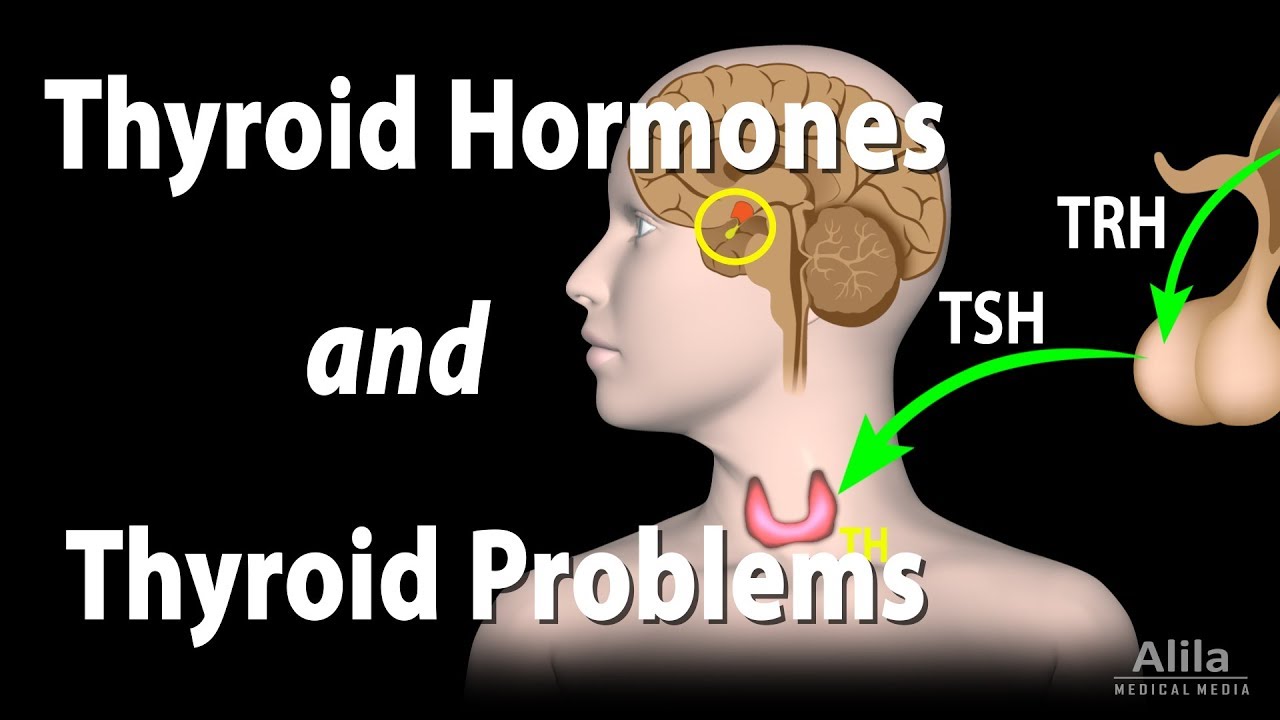
Thyroid Gland, Hormones and Thyroid Problems, Animation
You Might Also Like

Clinical Neurophysiology Video – 2

TSA 9 Week Program Bench Progression
Truth about sports drinks | Nutrition Pass

Alprazolam

MAX CONTRACTION – 4 – MAXIMUM MUSCLE GROWTH!!!!

Community Psychiatry Video – 3
Turmeric for Gynecomastia (Man Boobs Cure)

What is a Complete Blood Count?

About Lactation Consultant
What makes tuberculosis (TB) the world’s most infectious killer? – Melvin Sanicas

Tenormin is a Prescription Medication Used to Treat High Blood Pressure and Other Conditions

Squat-5
How Milk Thistle and Dandelion helps liver cells?
Physiotherapy in Obstetrics Video – 8
Anatomy and Physiology Of The Human Body – Muscles (captioned) HD 1080pi

Dynamic plank exercise: add some movement for a well-developed core
12 Best Shoulder Exercises (THE DELTOID DOZEN!!)
Vitamin B Deficiency Symptoms
Heart Disease – Causes, Symptoms and Treatment Options
Barbell Bench Press-9
Can we mix BCAA, Creatine, Glutamine in PRE WORKOUT DRINK? Info by Guru Mann
Hyper Extension With Ball
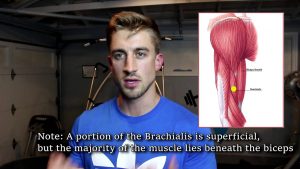
Muscle Definition – Does Your Training Matter? 8 minute explanation
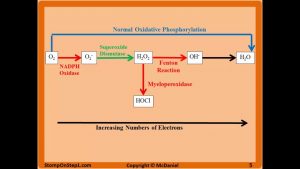
Free Radicals, Glutathione, Superoxide NADPH Oxidase N Acetylcysteine CGD MPO CCl4

Why You Need Vitamin B Complex

Yoga Counciling Video – 1
Progressive Muscle Relaxation

Archery Video – 4

Table Tennis Video – 1
Creatine Before & After

Workout 101- Back Extension on Ball (Instructional Workout Video)

Plyometrics – Circuit Training Ideas

Dead Lift-1
Side Effects of Cholesterol Drugs (Lipitor) & Safe Natural Alternatives

Food Antioxidants and Cancer
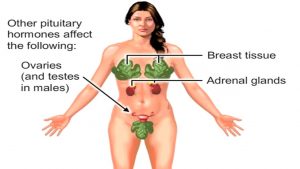
How Does Pituitary Gland Work? Hormones of Hypophysis Functions & Disorders Animation -TSH FSH Video
All about Creatine, Creatine side effects | hindi india | Bodybuilding lean muscular body

do i really need alli? why not just diet and exercise?

FOOTBALL FITNESS – How to get fit and improve your game STRskillSchool

CONCENTRATION CURLS for PEAK on BICEPS! (Hindi / Punjabi)

5. Program Exercise - Program Exercise〈Your First PLC (17/19)〉