In this video will have a look at the Thyroid Gland and the process of thyroid hormone production. The Thyroid secretes hormones that govern many of the metabolic and growth functions in your body, the hormones are called thyroxine and triiodothyronine, commonly called T4 and T3, respectively. Under the influence of a hormone secreted by the Anterior Pituitary gland, which is called thyroid stimulating hormone, the thyroid will manufacture and secrete T3 and T4 thereby raising their blood levels. Thyroid hormone production: About one fifth of ingested iodides are selectively removed from the circulating blood by the cells of the thyroid gland and used for synthesis of the thyroid hormones. The iodides first have to leave the circulation and enter the thyroid cells. This is achieved by the action of a sodium-iodide symporter, which co-transports one iodide ion along with two sodium ions across the basolateral membrane into the thyroid cell. This symporter uses the sodium gradient that is created by another pump: the sodium-potassium ATPase pump. Once inside the follicular epithelial cells, Iodide is transported into the follicle: across the apical membrane: by pendrin. Thyroglobulin contain tyrosine amino acids to which the iodide ions will bind. T3 and T4 are produced within the thyroglobulin molecule. Conversion of the iodide ions to an oxidized form of iodine. This process is promoted by the enzyme peroxidase. The second steps is organification of thyroglobulin. Which means the Iodination of Tyrosine and Formation of the Thyroid Hormones. This process results in both monoiodotyrosine (MIT) and diiodotyrosine (DIT). DIT and MIT will combine to form T3 and T4. Another important thing to remember is the fact that not all DIT and MIT will combine, therefore the current thyroglobulin will contain all before mentioned forms: MIT, DIT, T3 and T4. Also the proportions in T3 and T4 are different: each thyroglobulin molecule contains up to 30 thyroxine (or T4) molecules and just a few triiodothyronine (or T3) molecules. Interestingly, in this form, the thyroid hormones are stored in the follicles in an amount sufficient to supply the body with its normal requirements of thyroid hormones for 2 to 3 months. Therefore, when synthesis of thyroid hormone is decreased, the physiologic effects of deficiency are not observed for several months. Now we will have a look at the process of releasing the hormones into the circulation. The apical surface of the thyroid cells close around the thryroglobulins. This creates pinocytic vesicles in the cells. The vesicles will fuse with lysosomes to digest and cleave the thyroglublin molecules and release thyroxine and triiodothyronine in free form. These T3 and T4 molecules will diffuse into the surrounding capillaries, so they enter the blood circulation. In the circulation, they will combine with plasma proteins known as thyroxine-binding globulin. Because about 75 percent of the iodinated tyrosine in the thyroglobulin will remain monoiodotyrosine and diiodotyrosine, this is not functional and therefore should not enter the circulation. Instead, the iodine is cleaved from them by a deiodinase enzyme, making the iodine available for recycling in new hormones. About 93 percent of the thyroid hormone released from the thyroid gland is normally thyroxine and only 7 percent is triiodothyronine. However, in the peripheral tissues, T4 will be turning into T3 for a great part: its deiodinated. So, simply said, the function of the thyroid gland is to take iodide, found in many foods, and convert it into thyroid hormones: thyroxine (T4) and triiodothyronine (T3). So what is the role of these thyroid hormones actually? The general effect of thyroid hormone is to activate nuclear transcription of large numbers of genes, hereby causing a higher basic metabolic rate, mainly through induction of increased protein synthesis. The net result is generalized increase in functional activity throughout the body. Increased activity is for example seen in the cardiovascular system, growth rate, and the central nervous system. Without thyroxine and triiodothyronine from the thyroid gland, almost all the chemical reactions of the body would become sluggish and the person would become sluggish as well. A final, clinically important, thing to know: During development (inside the womb) the thyroid gland originates in the back of the tongue, but it normally migrates to the front of the neck before birth. Sometimes it fails to migrate properly and is located high in the neck or even in the back of the tongue. Do you want to know how the hypothalamus and the Thyroid stimulating hormone from the pituitary gland are regulating the thyroid hormone production: https://youtu.be/QG-UbtFEc_c
![You are currently viewing Thyroid Gland and Thyroid Hormones – [T3, T4, Thyroglobulin, Iodide Trapping etc.]](https://videos.drmaheshkumar.com/wp-content/uploads/2021/06/Thyroid-Gland-and-Thyroid-Hormones-T3-T4-Thyroglobulin-Iodide-Trapping-etc-1.jpg)
Thyroid Gland and Thyroid Hormones – [T3, T4, Thyroglobulin, Iodide Trapping etc.]
You Might Also Like
Bodybuilding Video – 4
Diabetes Type 1 and Type 2, Animation.

BENT OVER ROW

What causes fever vomiting and diarrhea ? | Health For All

Yoga Industry And Advantages Video – 6

Nephrology Video – 3
Muscle Contraction – Cross Bridge Cycle, Animation.
Body Mass Index (BMI) Explained (Made Simple To Understand) – Updated

What Are BCAAs Branched Chain Amino Acids? When & How To Use

After Workout Stretches
Osteoporosis in 2 mins!

Soaps, Shampoo, Lotions Video – 1
Obstructive Jaundice – Medical Tutorial
Behavioral Psychology Video – 2

Overweight & Obesity Video – 30

What is jaundice?
Orthopedic Physiotherapy Video – 11
Multivitamins & Vitamins Guide – Bodybuilding.com

How to Stay Fit With an ACL Tear : Total Workout Tips

Is Whey Protein Necessary?

Best Exercise for Rear Delts
The Best Bodyweight Exercise For Each Muscle Group – Calisthenic Exercises

Pediatric Physiotherapy Video – 14
Is It Safe To Drink Your Urine?
Basics of Metabolism
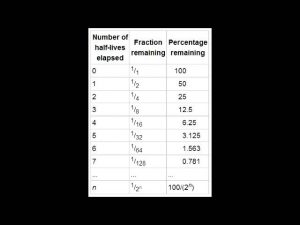
Half Life (T 1/2) – Pharmacology

Decline triceps extension
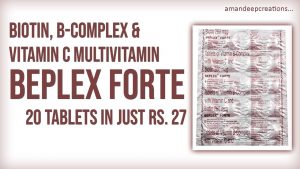
Biotin, B Complex & Vitamin C rich Multivitamin – BEPLEX FORTE – Benefits, Side-Effects & Dosage

Endocrinology Video – 2

Cardio-Thoracic Physiotherapy Video – 5

Diabetes – Definition, signs, symptoms, prevention, treatment and complications

Best energy food during pregnancy and after delivery
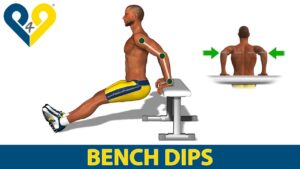
How to do triceps dips on bench

Homicide Psychology/ Psychiatry Video – 2
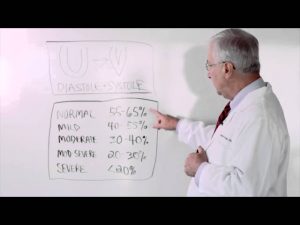
What Is Ejection Fraction And Its Link To Heart Failure?

General Practice Video – 4
How to Do a Dumbbell Biceps Curl | Arm Workout

Additional Psychiatry Video – 2
How to Do a Tricep Dip | Boot Camp Workout
Anemia (Medical Definition) | Quick Explainer Video

Uses of Cheapest Vitamin B Complex with B12 NEUROBION FORTE