
(USMLE topics) Molecular basis of the sliding filament theory (skeletal muscle contraction) – the cross bridge cycle. This video is available for instant download licensing here : https://www.alilamedicalmedia.com/-/galleries/all-animations/bones-joints-and-muscles-videos/-/medias/79b11851-3cbe-4df2-921d-3c55818a6c83-muscle-contraction-the-cross-bridge-cycle-narrated-animation Voice by: Sue Stern ©Alila Medical Media. All rights reserved. Support us on Patreon and get FREE downloads and other great rewards: patreon.com/AlilaMedicalMedia Muscle contraction is at the basis of all skeletal movements. Skeletal muscles are composed of muscles fibers which in turn are made of repetitive functional units called sarcomeres. Each sarcomere contains many parallel, overlapping thin (actin) and thick (myosin) filaments. The muscle contracts when these filaments slide past each other, resulting in a shortening of the sarcomere and thus the muscle. This is known as the sliding filament theory. Cross-bridge cycling forms the molecular basis for this sliding movement. – Muscle contraction is initiated when muscle fibers are stimulated by a nerve impulse and calcium ions are released. – To trigger muscular contraction, the troponin units on the actin myofilaments are bound by calcium ions. The binding displaces tropomyosin along the myofilaments, which in turn (and) exposes the myosin binding sites. – At this stage, the head of each myosin unit is bound to an ADP and a phosphate molecule remaining from the previous muscular contraction. – Now, the myosin heads release these phosphates and bind to the actin myofilaments via the newly exposed myosin binding sites. – In this way, the actin and myosin myofilaments are cross-linked. – The two myofilaments glide past one another, propelled by a head-first movement of the myosin units powered by the chemical energy stored in their heads. As the units move, they release the ADP molecules bound to their heads. – The gliding motion is halted when ATP molecules bind to the myosin heads, thus severing the bonds between myosin and actin. – The ATP molecules bound to myosin are now decomposed into ADP and phosphate, with the energy released by this reaction stored in the myosin heads, ready to be used in the next cycle of movement. – Having been unbound from actin, the myosin heads resume their starting positions along the actin myofilament, and can now begin a new sequence of actin binding. – Thus, the presence of further calcium ions will trigger a new contraction cycle
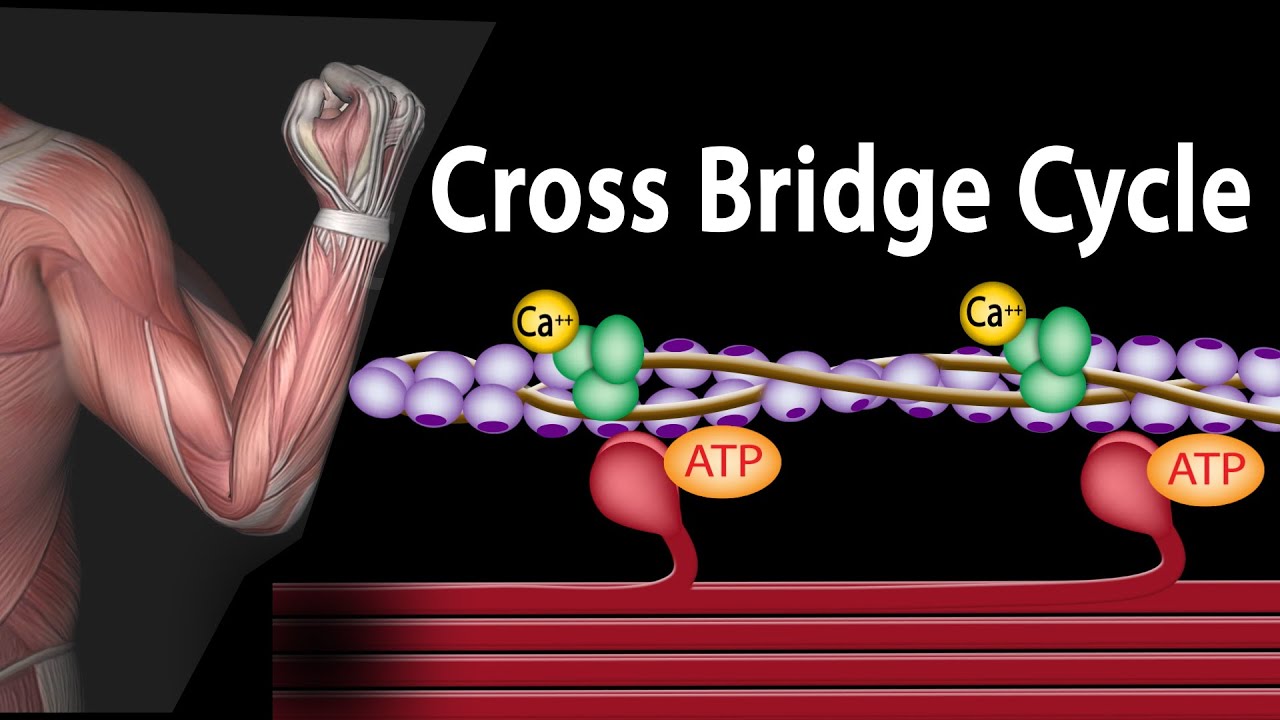
Muscle Contraction – Cross Bridge Cycle, Animation.
You Might Also Like
Anatomical Terms – Drawn & Defined (Updated)
MPT Videos

Health Video on Arthritis (What is Arthritis?)

Arnold Schwarzenegger ”Bodybuilders Today Are Not Accepted. They’re Too Big With No Talent” HD

TSH Levels

Cross Fit Training Video – 4
Diabetes

Should We Take a Multivitamin?

Antihypertensives: volume decreasing: ACE & Diuretics (VOLUME ONLY)

Lateral Raises-16

Gynecomastia Patient Testimonial | Plastic Surgery Clinic Thailand

Definition of repetition
Hyperextension on Swiss Ball
11 major muscle groups
Testosterone & Androgenic Effects Video – 36

Definition Fitness – Muscle Building Arm Routine
Hypertension
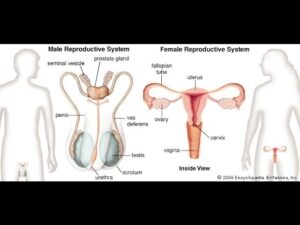
Intro. To The Reproductive System

Anabolic Steroids in Meat

Yoga Counciling Video – 2
Latissimus Dorsi Bent Over Row-11

Best way to workout chest
Exercise Programing

bodybulding
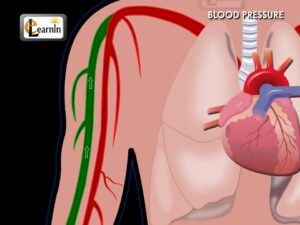
Understanding Blood Pressure | Human Anatomy and Physiology video 3D animation | elearnin

Sports Physiotherapy Video – 12

Back and bis in a nutshell!

Spa Resort Video – 2

BARBELL CURLS | Biceps | How-To Exercise Tutorial
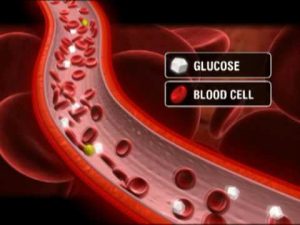
What is Type 1 Diabetes?

Becosules Capsule & Syrup: The Cheapest and Best Vitamin Supplement.
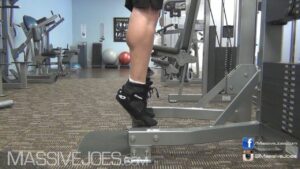
Standing Calf Raise Instructional Video – In The Gym With Team MassiveJoes – MassiveJoes.com How to

Spa Products Video – 1

Kettlebell Upright Rows For Big Shoulders and Burning Fat – Workout Tip

Muscles, Part 1 – Muscle Cells: Crash Course A&P #21

Sildenafil Citrate
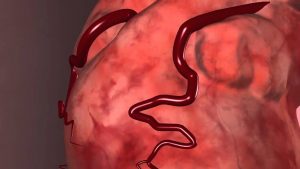
Do You Know The Warning Signs of Heart Disease?
Robotics Surgeries Video – 5

9 Steps to doing the Splits!

Gynecological Surgeries Video – 2