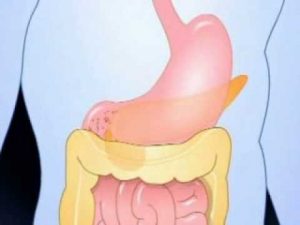
Components of the gastrointestinal tract (GI tract) and digestive enzymes. This video is available for instant download licensing here: https://www.alilamedicalmedia.com/-/galleries/narrated-videos-by-topics/anatomy-physiology-basics/-/medias/4fa9b99e-458c-4847-928d-966e40dcf2f6-digestive-system-narrated-animation Voice by: Sue Stern ©Alila Medical Media. All rights reserved. Support us on Patreon and get FREE downloads and other great rewards: patreon.com/AlilaMedicalMedia The digestive system is composed of 2 main components: the gastrointestinal tract, or GI tract, where digestion and absorption take place; and accessory organs which secrete various fluids/enzymes to help with digestion. The GI tract is a continuous chain of organs where food enters at one end and waste gets out from the other. These organs are lined with smooth muscles whose rhythmic contractions generate waves of movement along their walls, known as peristalsis. Peristalsis is the force that propels food down the tract. Digestion is the process of breaking down food into smaller, simpler components, so they can be absorbed by the body. Basically, carbohydrates such as sugars and starch are broken down into glucose, proteins into amino acids, and fat molecules into fatty acids and glycerol. Digestion starts in the oral cavity where the food is moistened with saliva and chewed, food bolus is formed to facilitate swallowing. Saliva is secreted by the salivary glands and contains the enzyme amylase. Amylase breaks down starch into maltose and dextrin which are processed further in the small intestine. The food bolus is propelled down the esophagus into the stomach, the major organ of the GI tract. The stomach produces gastric juice containing pepsin, a protease, and hydrochloric acid which act to digest proteins. At the same time, mechanical churning is performed by muscular contraction of the stomach wall. The result is the formation of chyme, a semi-liquid mass of partially digested food. Chyme is stored in the stomach and is slowly released into the first part of the small intestine, the duodenum. The duodenum receives the following digestive enzymes from accessory organs: – Bile, produced in the liver and stored in the gallbladder; bile emulsifies fats and makes it easier for lipases to break them down. – Pancreatic juice from the pancreas. This mixture contains proteases, lipases and amylase, and plays major role in digestion of proteins and fats. The small intestine also produces its own enzymes: peptidases, sucrase, lactase, and maltase. Intestinal enzymes contribute mainly to the hydrolysis of polysaccharides. The small intestine is where most of digestion and absorption take place. The walls of the small intestine absorb the digested nutrients into the bloodstream, which in turn delivers them to the rest of the body. In the small intestine, the chyme moves more slowly allowing time for thorough digestion and absorption. This is made possible by segmentation contractions of the circular muscles in the intestinal walls. Segmentation contractions move chyme in both directions. This allows a better mixing with digestive juices and a longer contact time with the intestinal walls. The large intestine converts digested left-over into feces. It absorbs water and any remaining nutrients. The bacteria of the colon, known as gut flora, can break down substances in the chyme that are not digestible by the human digestive system. Bacterial fermentation produces various vitamins that are absorbed through the walls of the colon. The semi-solid fecal matter is then stored in the r. until it can be pushed out from the body during a bowel movement. All images/videos by Alila Medical Media are for information purposes ONLY and are NOT intended to replace professional medical advice, diagnosis or treatment. Always seek the advice of a qualified healthcare provider with any questions you may have regarding a medical condition.
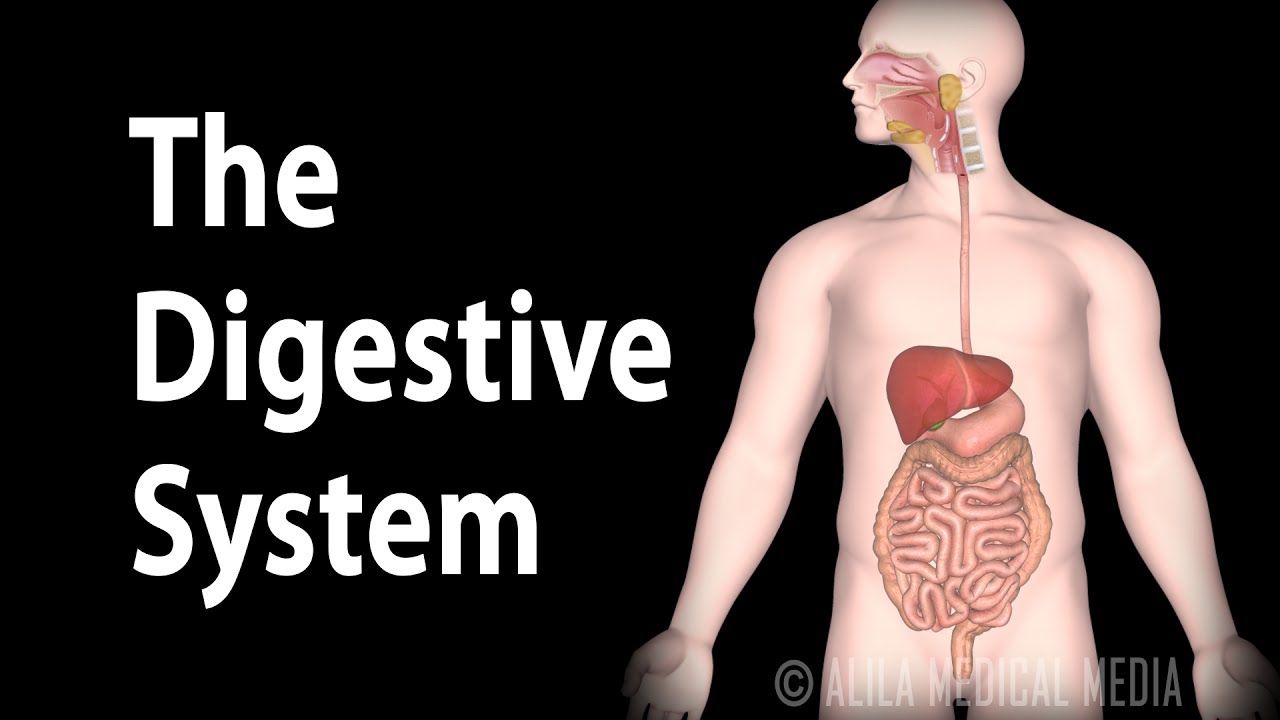
Physiology Basics: the Digestive System, Animation
You Might Also Like
Female Reproductive Cycle
Bowen Therapy Video – 1
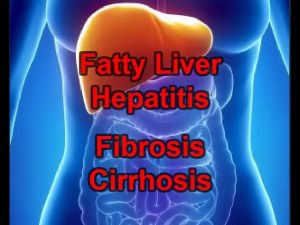
What Are the Stages of Liver Damage? Fatty Liver|Hepatitis|Fibrosis|Cirrhosis
How to Do a Dumbbell Side Bend | Ab Workout
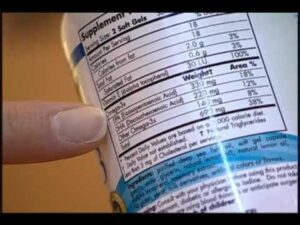
Essential Fatty Acids – Efas Video – 1
Diabetes Basics: What Is Diabetes?
Muscle Building Workout & Squats Video – 40
Muscle Building Workout & Squats Muscle Building Workout & Squats Video – 1
Tuberculosis
![Read more about the article [TRICKS] How to Memorize Hypertension Drug Suffix](https://videos.drmaheshkumar.com/wp-content/uploads/2021/05/TRICKS-How-to-Memorize-Hypertension-Drug-Suffix-300x225.jpg)
[TRICKS] How to Memorize Hypertension Drug Suffix
Lateral Raises-11
Can herbs cause liver damage ?
HGH, Growth Hormones & Plant Hormones Video – 20

Nutrition & Diets : Losing Weight Taking Vitamin B Complex
CREATINE MONOHYDRATE | EFFECTS, SIDE EFFECTS, DANGERS, MYTHS & BENEFITS

Anabolic Steroids – History, Definition, Use & Abuse Video – 21
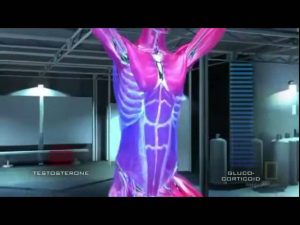
HowSteroidsWork
Keto Diet, Keto Foods, Keto Recipes Video – 9

Definition Fitness Centre – 2017
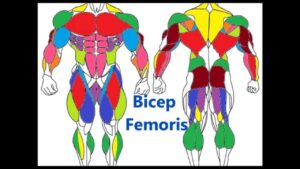
Major Muscle Groups: Basic Muscle anatomy
How to Use Whey Protein for Weight Loss
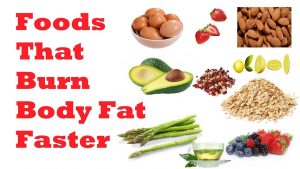
Eat Food To Lose Belly Fat Naturally
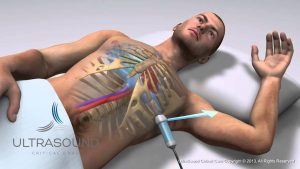
How to obtain: Apical 4 (Four) Chamber Ultrasound View- Training and Techniques – ICU
Why You Got Fat
GYM HACK | Seated Calf Raise | Tiger Fitness
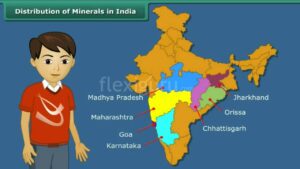
Distribution of minerals in india

What is Maximum strength and muscular endurance
Bent Over Row Mistakes
Bent over barbell row: bodybuilding workout for middle back muscles, biceps and lats with weights
Understanding Type 2 Diabetes
Seated Row-11
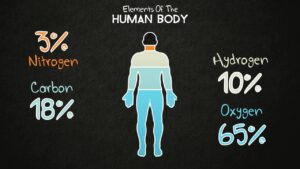
Elements of the Human Body
Latissimus Dorsi Bent Over Row-9
SIZE 8 – Pre Workout Drink (NO SUPPLEMENT) | Pure Vegetarian Muscle Building Program by Guru Mann
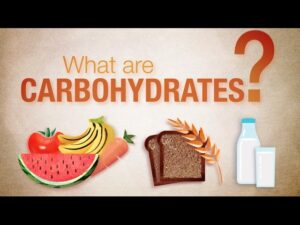
What are carbohydrates?

Kidney Problems Due to Preworkout & Creatine Supplements @hodgetwins
B Complex Supplement
Onco Surgery Video – 4
What Is a Set? | Gym Workout
Opthalmogical/Eye Surgeries Video – 4
Get Ten Times More Benefit from Milk Thistle, Reverse Alcohol Liver Damage and more