For athletes engaged in endurance sports – like running, cycling or swimming for more than 2-3 hours at a time – carbohydrates are a necessity to provide fuel to the muscles and are critical to go the distance.young male athlete take a rest after running Registered dietician and nutritionist Erica Goldstein offers a variety of tips to help athletes understand the best foods and options for carb loading during training. “The top question I’m usually asked is what I should be eating during training,” says Goldstein, who sees patients on Mayo Clinic’s Florida campus. First, it’s important to understand what a carbohydrate is, she says. “Carbohydrate is stored in the body in the form of glycogen, which is basically links of glucose – or sugar – stored in large amounts. Glycogen can be broken down during continual exercise to provide energy for muscle contraction,” she explains. Examples of carbs Fructose, glucose and sucrose are three forms of carbohydrates. These can be found in a variety of foods, including: fruits, like bananas, raisins and dates; and starch, like potatoes, pasta and rice. Of course, there are a variety of sports-specific gels, chews and performance bars developed for athletes. How much do you need? The body can only store so much glycogen so it is essential to consume carbohydrate during prolonged exercise, usually greater than an hour, to continue to provide energy to working muscle. “Otherwise, you may compromise your ability to finish your training,” Goldstein says. According to research, she recommends consuming carbohydrates based on the intensity and duration of training. 30 g after the first 60 min is enough for training lasting 60-90 min. 60 g per hour after the first 2 – 2.5 hours 90 g per hour after 3 hours → dependent on high intensity exercise (~75% of maximal effort) Goldstein advises athletes vary the types of carbohydrate consumed. “Mix it up; see what works for your body and what you can tolerate,” she advises. She also recommends reviewing food labels to determine total grams of carbohydrates in a product as well as the specific ingredients (i.e., glucose, fructose, sucrose).

Eating for Endurance
You Might Also Like

BICEPS – SEATED DUMBBELL CURLS with LEONARD St CYR
BMI

Marathon Video – 3
ECG Basics 5/10 – Rate Calculation

Bodybuilding Nutrition, Diet Recipes & Workout – 2

How to Do Lying Barbell Extensions

Leg Press-5

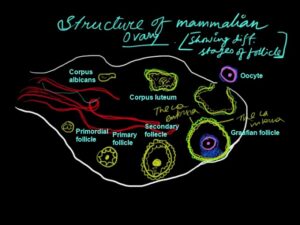
Endocrine function of ovary
TDEE & BMR

How to Do a Crunch | Ab Workout

What Would Happen If You Replaced All Drinks with Water?

9 Months In The Womb: A Remarkable Look At Fetal Development Through Ultrasound By PregnancyChat.com

Concentration curls – Biceps Exercises

DNA replication – 3D

Pharmaceutical grade Meaning
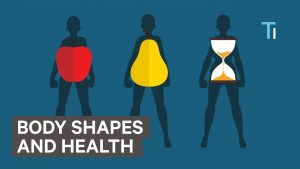
What Body Shape You Are Says A Lot About Your Weight
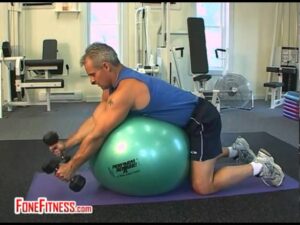
Alternating Bicep Hammer Curls Leaning Over Stability Ball

ESR XC A30 for Greiner tube 标清

Fat Loss, Weight Loss Video – 20

Mike O’Hearn Talks Pre-Workout Nutrition & Supplementation

Sports Nutrition & Supplementation Video – 1

Instructional Fitness – Back Extensions

When You Burn Fat, Where Does it Go?

MINOXIDIL WORK ON TEMPLES IN JUST 2 MONTHS??!

HMG CoA Reductase Inhibitors (Statins) | MedMaster | Pharmacology for Nursing Students

9 Common Side Effects of Fish Oil Supplements

Floatation Healing Video – 1

Fat Loss, Weight Loss Video – 8

bodybulding
6 components of Skill related fitness.mov

Bowen Therapy Video – 4
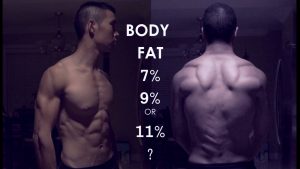
DEXA Scan BODY FAT Test Results – 7% 9% or 11%

Food Guide Pyramid Video – 1
Anabolic Steroids – History, Definition, Use & Abuse Video – 43

Abnormal Psychology Video – 3
Post-Workout Cooldown
AMINO ACIDS AND PROTEINS

Reading 12-Lead ECG’s – EMTprep.com

Hematology Video – 2
Functional Fitness Training: How can it help you?