
A1C is an average of the patients blood sugar (glucose) readings over the past three months and is the single most important test that can predict the future for the diabetic patient. Since the test correlates with the future complications from diabetes in the next few weeks to over 20 years; it is like a crystal ball for the diabetic patient says Dr. Anup, MD. A high level correlates with increased complications like blindness, heart attack, kidney damage, hospitalizations and even expenses on diabetes. It is absolutely necessary for a diabetic to understand this test and to know what to do if the levels are high, so that they can better control their condition and can avoid complications from diabetes. Now the test is even being used to diagnose new cases of diabetes. A1C Levels are useful in both the diagnosis and for the follow up of a diabetic. A1C is like the crystal ball that shows you your future. How is that? High levels of A1C in a known diabetic correlate with higher chances of blindness, kidney failure, heart attack, hospital admission and diabetes related expenses. This is truly a reflection of what of what the future holds for the patient. The best part is that with proper actions and a to-do list the A1C levels can be brought down to ‘Normal’ within about a six month period. This DVD is a full 55 minute presentation (part of series of our over Diabetes Education Series’ and discusses in very simple language how A1C is formed in the body, what are the normal and the abnormal values, what is the significance of abnormal values and how to fix the problem of the high abnormal value without suffering more serious side effects like low sugars of the therapy. Now the A1C levels are also being recommended not only to manage diabetes but to diagnose diabetes. We explain why that is a good idea for you and how it correlates with your blood sugar levels. If you can not afford to pay for watching this video contact us and we will help you. If you want to purchase a DVD copy of this video to gift to someone buy it at www.amazon.com and search under Dr Anup Teaches series or look for ISBN 9781603350000
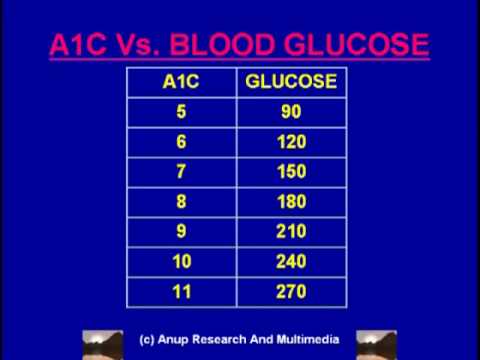
A1C and Diabetes. Spoken Hindi. Written English. Dr. Anup, MD Teaches Series
You Might Also Like

Orthopedics Video – 1

Barbell Shrug – upper back exercise correct form

Definition Fit – “Group Fitness”
Pharmacology – DRUGS FOR HYPERLIPIDEMIA (MADE EASY)

What natural ways to lower high cholesterol & triglycerides levels? – Ms. Ranjani Raman

ESR on Sikshana
Mechanism of action of Statins

Post Workout Whey Protein Shake – Whey Protein Isolate Drink – Oats Recipes For Weight Loss
PROPANALOL

How to Get the Most out of Vitamin Supplements- Thomas DeLauer

Intermittent Fasting & Fasting Video – 22

Thyroid System Animation

Angiography Imaging
Latissimus Dorsi Bent Over Row-10

Can steroids for muscle gain & painkillers lead to Kidney Failure? – Dr. Vidyashankar Panchangam

Lifestage Nutrition Video – 1

World’s Best Multivitamins at CHEMIST SHOP | Cheapest | Guaranteed Results

Bodybuilding Anatomy ARMS

Neurological Physiotherapy Video – 9

How Much Protein Do You Need Per Day – Fat Lose/Muscle Gain | Bodybuilding Tips

The10 Best Exercises to Lose Weight

Anatomy and Physiology – Development of Bone

SERGI CONSTANCE INSANE BACK WORKOUT

Abscess Symptoms
Fitness Testing
Kidney Protective Medicine-Telmisartan

Diet & Mental Health Video – 2
What to know about diarrhea?

Catabolism

orlistat emagrece mesmo? (ORLISTAT MANIPULADO) || JULIO TEODORO

Bread Nutrition Video – 2

EASY PRE-WORKOUT SNACK EXAMPLE

Global Mental Health Video – 1

Pre Workout Drink | LEAN MODE by Guru Mann | Health and Fitness

10 Foods to Avoid During Breastfeeding
What is FITNESS PROFESSIONAL? What does FITNESS PROFESSIONAL mean? FITNESS PROFESSIONAL meaning
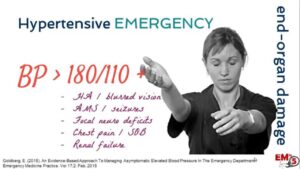
Hypertensive Emergency Treatment

Muscle Building Workout & Squats Video – 45

Keto Diet, Keto Foods, Keto Recipes Video – 22

Bodybuilding Nutrition, Diet Recipes & Workout – 17

Neuropsychiatry Video – 3