
(USMLE topics, reproductive system) This video is available for instant download licensing here: https://www.alilamedicalmedia.com/-/galleries/all-animations/female-reproductive-system-videos/-/medias/73349844-d3cc-11e3-b500-f2b86e40979d-the-menstrual-cycle-narrated-video ©Alila Medical Media. All rights reserved. Support us on Patreon and get FREE downloads and other great rewards: patreon.com/AlilaMedicalMedia Understanding the menstrual cycle. The menstrual cycle is a term used to describe monthly events that occur within a woman’s body in preparation for the possibility of pregnancy. Each month, an egg is released from an ovary in a process called ovulation. At the same time, the lining of the uterus thickens, ready for pregnancy. If fertilization does not take place, the lining of the uterus is shed in menstrual bleeding and the cycle starts over. An ovary contains hundreds of thousands of primary oocytes – immature eggs, or ova. Each of these is enclosed in a structure called a follicle, and at this stage — a primordial follicle. The menstrual cycle is under control of hormones secreted by the pituitary gland and the ovaries. The pituitary itself is under control of the hypothalamus. The hypothalamus produces a hormone called the gonadotropin-releasing hormone or GnRH. GnRH stimulates the anterior lobe of the pituitary to secrete follicle-stimulating hormone (FSH). FSH travels in the bloodstream to the ovaries and stimulates a group of follicles to grow. These primordial follicles develop into primary follicles and then secondary follicles. These produce a hormone named estrogen which acts to stimulate the growth of the endometrium — the inner lining of the uterus. The secondary follicles compete with each other and only one of them will survive and become a mature follicle, the rest atrophy and die. The increasing level of estrogen also acts on the hypothalamus and the anterior pituitary to increase the level of GnRH and induce the production of another hormone — luteinizing hormone (LH). A surge in LH secretion triggers ovulation – the release of the egg from the follicle and the ovary. The egg is then swept up by the fimbriae (FIM-bree-ee) and taken into the uterine tube. Fertilization by a spermatozoon, when it occurs, usually takes place in the ampulla, the widest section of the fallopian tube. The fertilized egg immediately begins the process of development while travelling toward the uterus. After 6 days it becomes a blastocyst and is implanted into the endometrium of the uterus. Meanwhile, the left-over of the ruptured follicle has become a corpus luteum which secretes progesterone. Progesterone further stimulates uterine development making it a nutritious bed for the embryo in the event of pregnancy. In the absence of pregnancy, the corpus luteum atrophies and progesterone level falls. This leads to the breakdown of the endometrium, menstruation begins and the cycle starts over. All images/videos by Alila Medical Media are for information purposes ONLY and are NOT intended to replace professional medical advice, diagnosis or treatment. Always seek the advice of a qualified healthcare provider with any questions you may have regarding a medical condition.
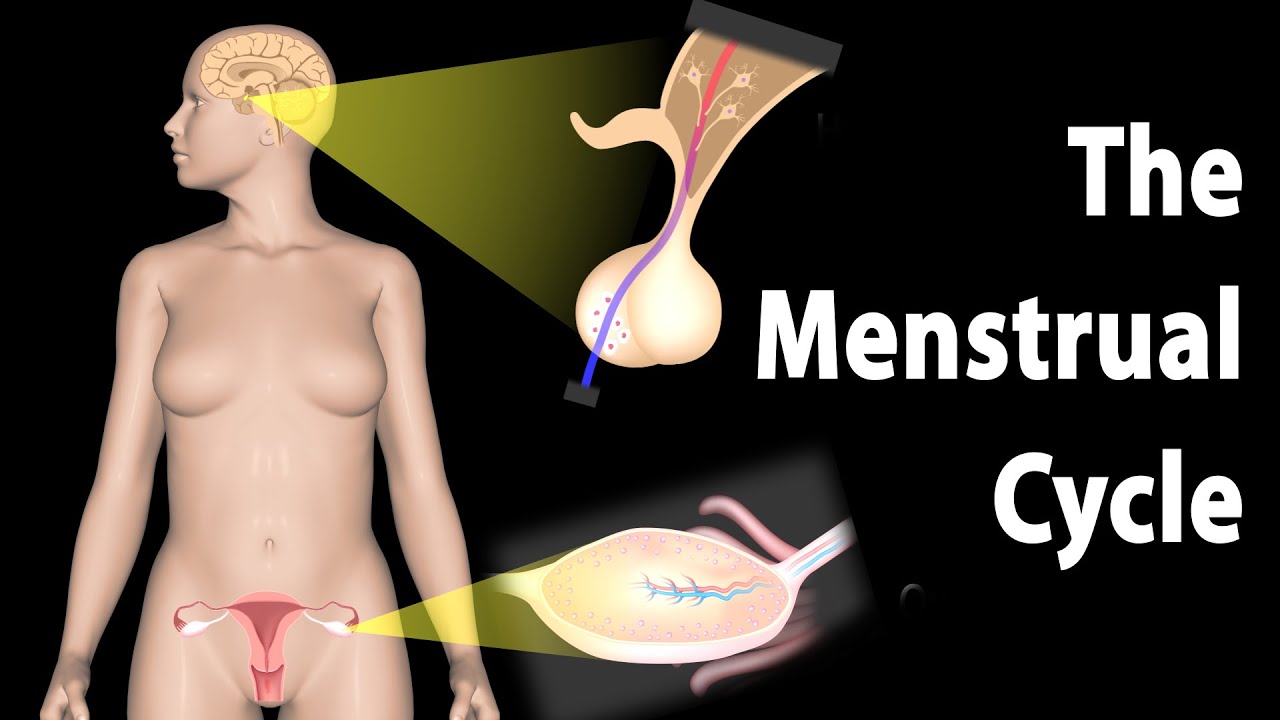
Hormonal Control of the Menstrual Cycle, Animation.
You Might Also Like

Marathon Video – 2

Top 10 Iron Rich Foods List: Fruits & Vegetables Rich in Iron Content for Pregnancy
Magnesium and Osteoporosis

How to Gain Weight Fast | Vegetarian Diet Plan for Weight Gain in Hindi
Friday WOD @ DEFINITION FITNESS GYM

Best Leg and Thigh Exercise Workout
How to Do a Dumbbell Shoulder Press

Lateral Raises-2

How Important is Sleep for Building Muscle?
Pharmacology Mechanism of ActionMOA 3D Animation Demoreel
Nutritional Management for Arthritis in English – Diet Tips, Nutrition Supplements
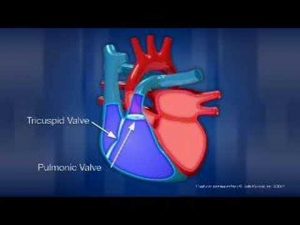
Heart Anatomy

Making A Yoga Routine Video – 6
best circuit training for power and strength at desi akhada : Jacky Gahlot mma fighter

Child And Adolescent Psychiatry Video – 2

When You Burn Fat, Where Does it Go?
Human Body Video – 3
Endocrine System

Jon Skywalker “The Definition Of Aesthetics” | Fitness & Bodybuilding Motivation
Triceps Pulley Extension-1

Aerobic to Jogging
The Best Way To Use Creatine!! Get Amazing Results Fast
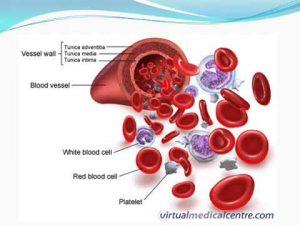
Erythrocyte Sedimentation Rate ( ESR)

Get Lean & Muscular Fast | Improve Insulin Sensitivity | Hindi
Androgen Insensitivity Syndrome

Life Fitness Cable Cross Rope Triceps Extension (Medium Pulley)
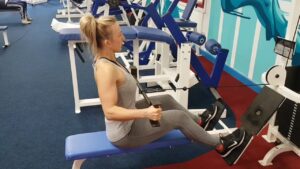
Exercise of the week 06/03/17 – Wide Grip Seated Row

Spa Day Video – 2
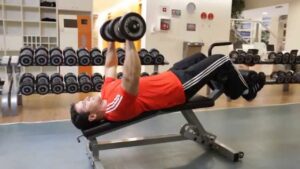
Decline Dumbbell Bench Press – Chest Exercise

Memorize amino acids | amino acid easy tricks to remember
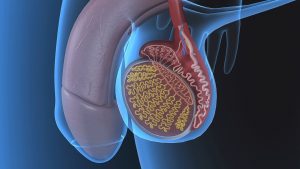
Human Physiology – Functional Anatomy of the Male Reproductive System

LG Innovation Story – Brand Film 21 Years Celebrations

PERFECT Post Workout Meal | What to Eat After a Workout | Post Workout Nutrition | Bodybuilding Food

Marathon Video – 1

Physiological Benefits of Meditation

BEST TIME TO TAKE CREATINE|CREATINE कब लें Pre or Post Workout
What Is Liver Pain?
Barbell Bench Press – HASfit Chest Exercise Demonstration – Flat Bench Presses Form – Pectoral
The Difference Between Sperm & Semen – Episode 20

Top 3 Triceps Exercises with 1 Dumbbell! (Subscribers Request)

Parkour Video – 2