Watch more How to Understand Obesity videos: http://www.howcast.com/videos/511330-How-the-Body-Stores-Fat-Obesity When you eat food, all food has calories. Calorie is a unit of energy, so when you eat food digestion begins in your stomach and then your intestines, and your body absorbs the nutrients that it needs in to your bloodstream. Throughout the day, your body will use those calories to help everyday functions of your heart, your lung, your brain, and even just going about your daily life. Whatever excess calories are not used can then be stored as fat. One place that the body stores fat is in your liver. So if you’ve ever had an ultrasound or a CAT scan, someone might have told you that you have a fatty liver. Another place that your body stores fat is just centrally, in your abdomen. This is called the omentum, that’s the fat that encases our organs. We all have that, but people have different amounts of fat depending on how much weight they’re carrying, and that’s actually the dangerous kind of fat, the kind that’s found centrally. Other people store their fat, maybe lower in their bodies, in their hips, in their thighs. This is referred to as gynecoid obesity. So while there’s different ways that the body stores fat, in order to determine if the amount of fat that you’re storing is excessive and that it puts you at increased health risk, you might want to calculate your BMI or your body mass index. And that’s the number that takes your weight and your height and forms a ratio, and helps you decide if you fall in to the obese category. A BMI of 30 or greater is considered obese and puts you at increased health risks. So these are just a few ways of how your body stores excess fat.
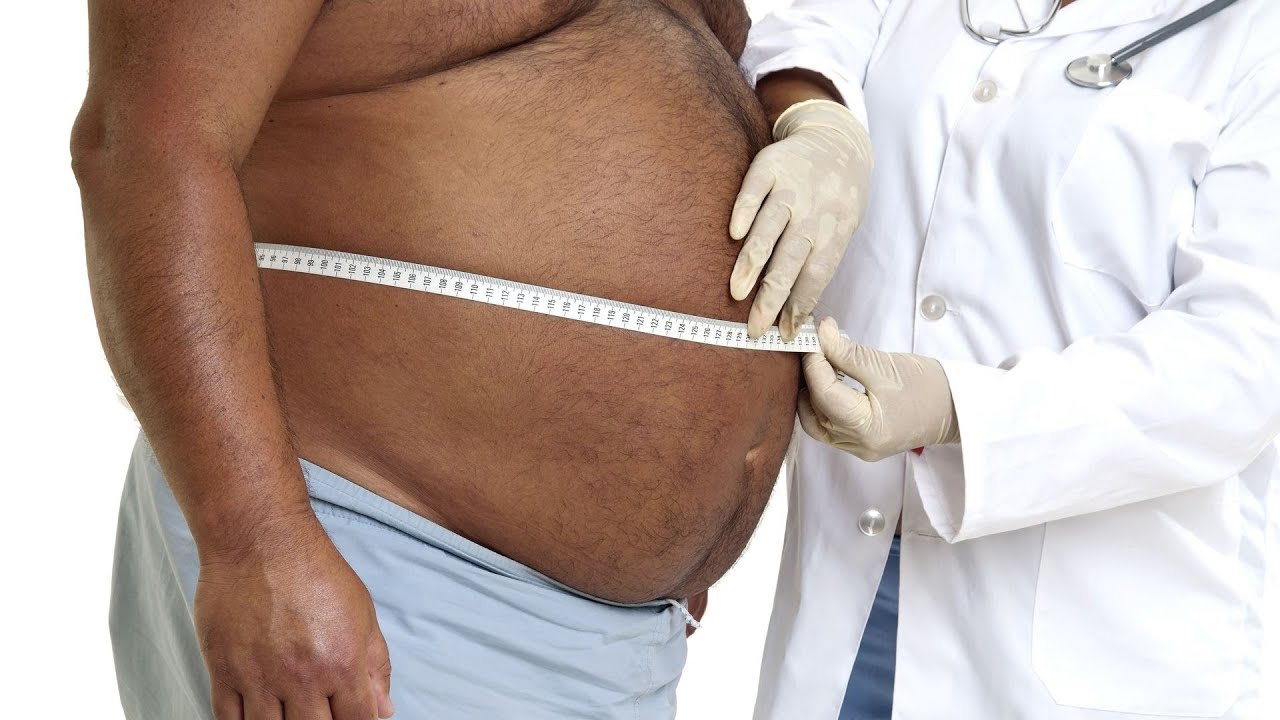
How the Body Stores Fat | Obesity
You Might Also Like
Caloric Deficits and Insulin

Soccer/ Football Video – 1
What is Osteoporosis? – Dr. Anantharaman Ramakrishnan

Digestion and Absorption of Fats Animation
How is kidney function related to blood pressure? – Dr. Pallavi Patri
Muscle Building Workout & Squats Video – 15

BEST TIME TO TAKE CREATINE|CREATINE कब लें Pre or Post Workout

Advantages Of Yoga Video – 1
Laser Hair Growth 16 Week Animation – Hair Regrowth Australia
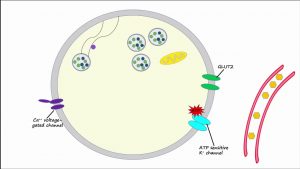
Regulation of Insulin Release and Insulin Action
How to make low budget size gain protein powder at home/how to make protein powder/protein kese bnay

Dumbbell Pullover-8

Bodybuilding Nutrition, Diet Recipes & Workout – 27

Military Psychiatry Video – 3
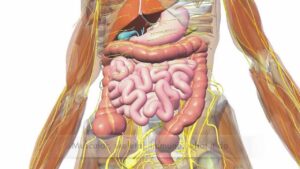
Human Body Systems Video – 6

Pre Blended Creams Video – 1
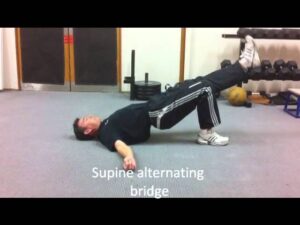
Trunk strengthening exercises
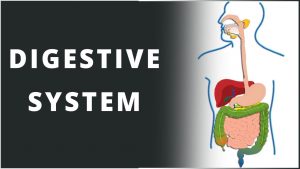
Digestive System | Nutrition in Human Beings | Biology | Science | LetsTute

Good Vitamin B Foods | Vitamins
Riverside Chiropractor Dr Wong, Upper Back Seated Row Exercise
Nutritional Psychiatry Video – 2
Candymane – Iron Kanon (Bodybulding MOTIVATION VIDEO)
Drink Amazing Drink for Weight Loss
Top 10 Foods That Help Lose Belly Fat – Tips To Burn Belly Fat
How To: Leg Extension (Cybex)

Human Body, Body Building Muscle Building Anatomy Physiology Video – 3
Vitamins Minerals For Health Video – 2
Vitamin B Complex
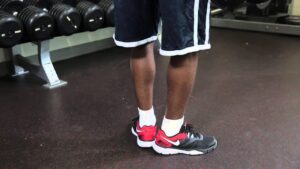
Calf Exercises for Men : Exercises for Staying Fit
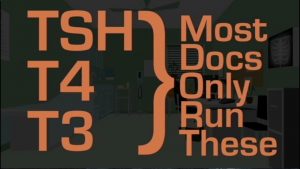
Thyroid System Animation

Branched Chain Amino Acid Supplements (BCAA’s)
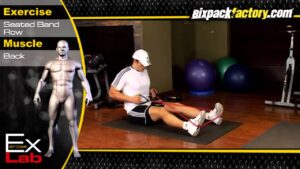
Seated Row-2

Glycemic Index Load – Low glycemic index foods list diets
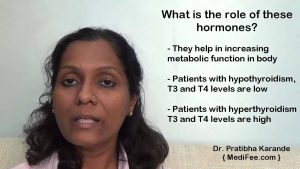
Thyroid Profile – T3, T4 and TSH Explained

Flexibility and Gymnastics Skills. Flexibility Stretches. Professional contortion. yoga flexibility
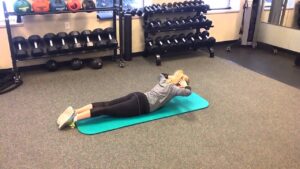
Floor Back Extension
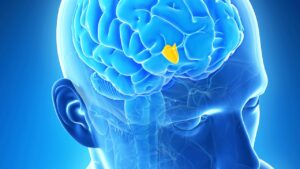
Human Physiology – Hormonal Regulation of Male Reproduction

10 Best PRE WORKOUT Meals | What to Eat Before a Workout | What to eat Before Gym | pre workout food
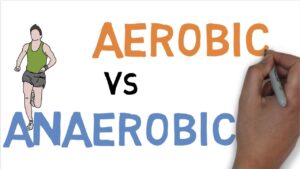
AEROBIC vs ANAEROBIC DIFFERENCE
Organ Transplantation Surgeries Video – 3
How to Use Whey Protein to Build Muscle | Bodybuilding Diet