In this video I give a very basic look at how food is used in the body. How the body uses carbs, protein, and fats. It can help you understand, to a small degree, how do people get fat, and why do people get fat. And hopefully an understanding of why you are what you eat. Transcript So, how does your body use food? Well, we have to look at the macronutrients, carbohydrates, proteins and fats. We are going to take a very basic look at this by starting with carbs. Essentially carbs are going to be used in 3 different ways. As immediate energy, as stored energy, or as stored fat. During the digestive process, carbs are converted to glucose, which is what cells use as energy. The liver sends this glucose into the bloodstream to be used as immediate energy for cells. Once the bloodstream has enough glucose in it, the liver takes the extra glucose and converts it to glycogen, which is a stored form of glucose energy. Glycogen gets stored in the liver and muscles, which combined can store about 2000 calories worth. Once the bloodstream is full and the glycogen tanks are full, the extra glucose or carbs are stored as fat in fat tissue. Now for proteins. Proteins are also going to be used in mainly 3 different ways. They are used to build stuff, used as energy, or stored as fat. During the digestive process proteins are broken down into their main components of amino acids. These amino acids can be used to make enzymes, hormones, build and maintain tissues, construct transport proteins, which transport fats throughout the body, and make antibodies, which help neutralize some bacteria and viruses in the body. If the body is low on fuel, it can convert proteins to energy. And, if the body doesn’t need to use protein for all of the situations just mentioned, it can be, through a lengthy process, converted to and stored as fat. Next up is fats. Fats are also going to be used in mainly 3 different ways. They are used as part of many cell membranes, they can be stored as energy in the liver or in fat tissue, and they can be used as energy in the form of keytones or through being converted to glucose. So, as you can see, you are what you eat. And that is the basics of how food is used in your body. So, don’t overeat
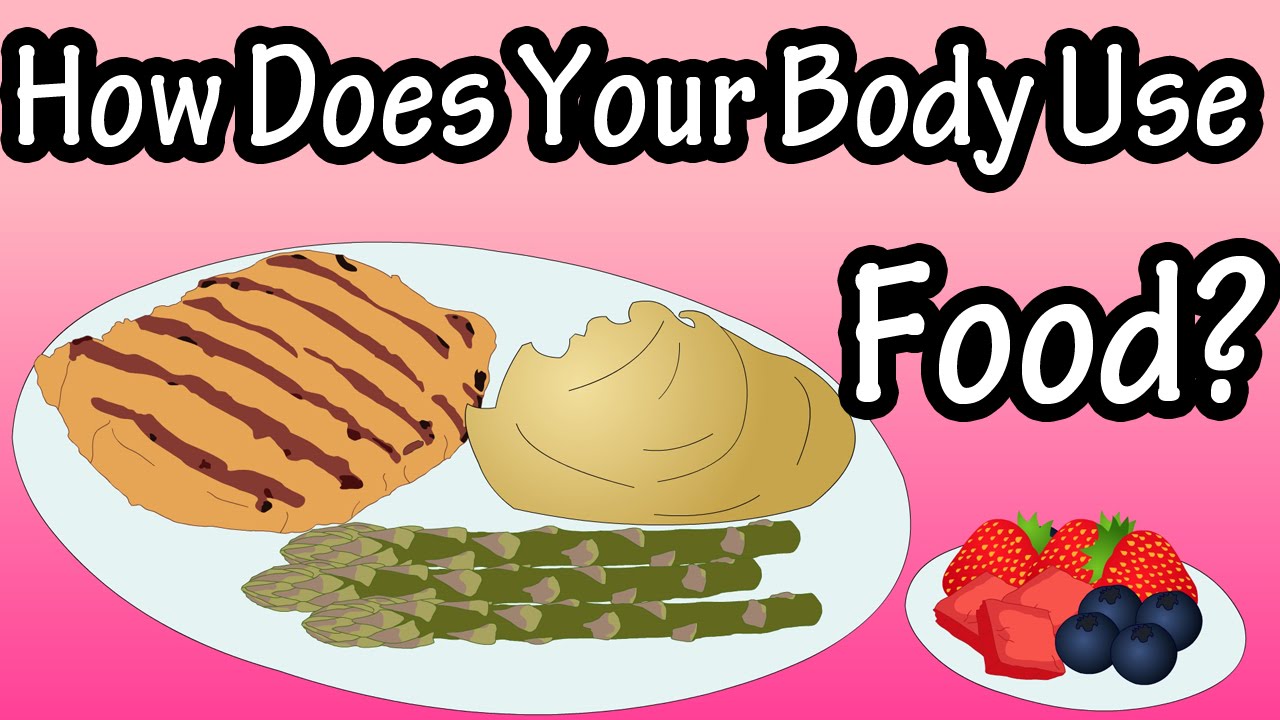
How The Body Uses Food – You Are What You Eat
You Might Also Like
Does CREATINE Damage the KIDNEY | Myth or Truth? Deep Explanation by Guru Mann
аLLi ( Xenical, Orlistat ) – Weight Loss

Enalapril Nursing Considerations, Side Effects, and Mechanism of Action Pharmacology for Nurses

Elaine’s Big Life – DEFINE Fitness!
Pulmonology Video – 3
L-Glutamine Benefits

Baby Cries During Breastfeeding – Reasons and Solutions
Dumbbell Shoulder Press – Shoulder Exercise – Bodybuilding.com
Gymnastics Video – 1
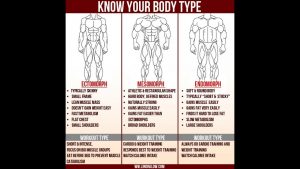
Ectomorph Body Type Fitness Program How To Get Big When You Are Skinny Ectomorph Fitness
аLLi ( Xenical, Orlistat ) – Weight Loss
What is DISEASE? What does DISEASE mean? DISEASE meaning, definition, explanation & pronunciation
What is MEDICAL NUTRITION? What does MEDICAL NUTRITION mean? MEDICAL NUTRITION meaning
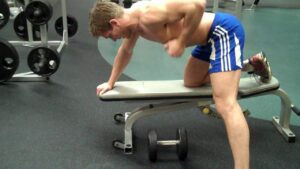
How To: Dumbbell Bent-Over Row (Single-Arm)
BCAA Kya Hai? BCAA Ke Fayde Aur Nuksan | @Fitness Fighters
5 Diet Tips to Lose Belly Fat 87% Faster!

Vascular Surgery Video – 3
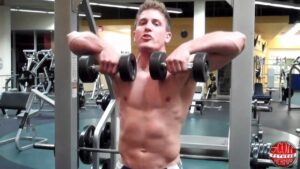
How To: Dumbbell Upright-Row
Laser Surgeries Video – 6

Yoga Counciling Video – 6
Alternate Knee Touch-2
… 12 07 2014 – Birmingham – Definition Fitness Centre – Anita CK …
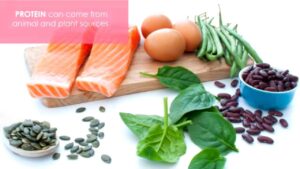
Hair Nutrition Video – 2
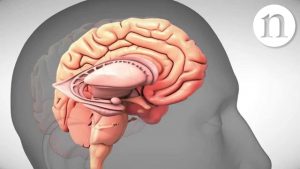
Depression and its treatment
Six Classes Of Nutrition
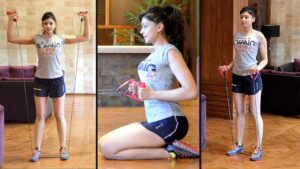
Easy Home Workout for Beginners (Burn Fat at Home)
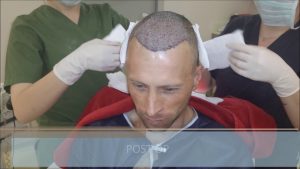
Hair Loss Treatment for Men / Male Pattern Baldness Treatment – FUE Hair Transplant Result

Why Do Newborn Babies Get Jaundice?
Legal Psychology Video – 1
Free Paleo Meal Plan + Shopping List for weight loss
How to Check Your Blood Sugar
Sleep Video – 3
How to make delicious lactation cookies (to help boost your milk supply)
Number One Supplement to Lower Blood Pressure Naturally

Cardiology Video – 4
Strengthening Exercises for the Quadratus Lumborum : Dynamic Exercises
Lat Pull Down-1
Chicken Breast & Weight Loss – Healthy Fat & Weight Loss Diet

HOME WORKOUT TRAINING – Static & Strength Calisthenics
Muscular Strength Asanas Video – 5
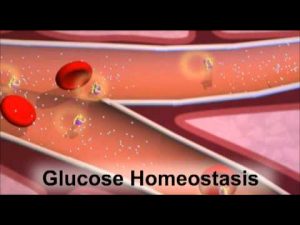
Insulin and the Regulation of Glucose in the Blood