In this video I give a very basic look at how food is used in the body. How the body uses carbs, protein, and fats. It can help you understand, to a small degree, how do people get fat, and why do people get fat. And hopefully an understanding of why you are what you eat. Transcript So, how does your body use food? Well, we have to look at the macronutrients, carbohydrates, proteins and fats. We are going to take a very basic look at this by starting with carbs. Essentially carbs are going to be used in 3 different ways. As immediate energy, as stored energy, or as stored fat. During the digestive process, carbs are converted to glucose, which is what cells use as energy. The liver sends this glucose into the bloodstream to be used as immediate energy for cells. Once the bloodstream has enough glucose in it, the liver takes the extra glucose and converts it to glycogen, which is a stored form of glucose energy. Glycogen gets stored in the liver and muscles, which combined can store about 2000 calories worth. Once the bloodstream is full and the glycogen tanks are full, the extra glucose or carbs are stored as fat in fat tissue. Now for proteins. Proteins are also going to be used in mainly 3 different ways. They are used to build stuff, used as energy, or stored as fat. During the digestive process proteins are broken down into their main components of amino acids. These amino acids can be used to make enzymes, hormones, build and maintain tissues, construct transport proteins, which transport fats throughout the body, and make antibodies, which help neutralize some bacteria and viruses in the body. If the body is low on fuel, it can convert proteins to energy. And, if the body doesn’t need to use protein for all of the situations just mentioned, it can be, through a lengthy process, converted to and stored as fat. Next up is fats. Fats are also going to be used in mainly 3 different ways. They are used as part of many cell membranes, they can be stored as energy in the liver or in fat tissue, and they can be used as energy in the form of keytones or through being converted to glucose. So, as you can see, you are what you eat. And that is the basics of how food is used in your body. So, don’t overeat
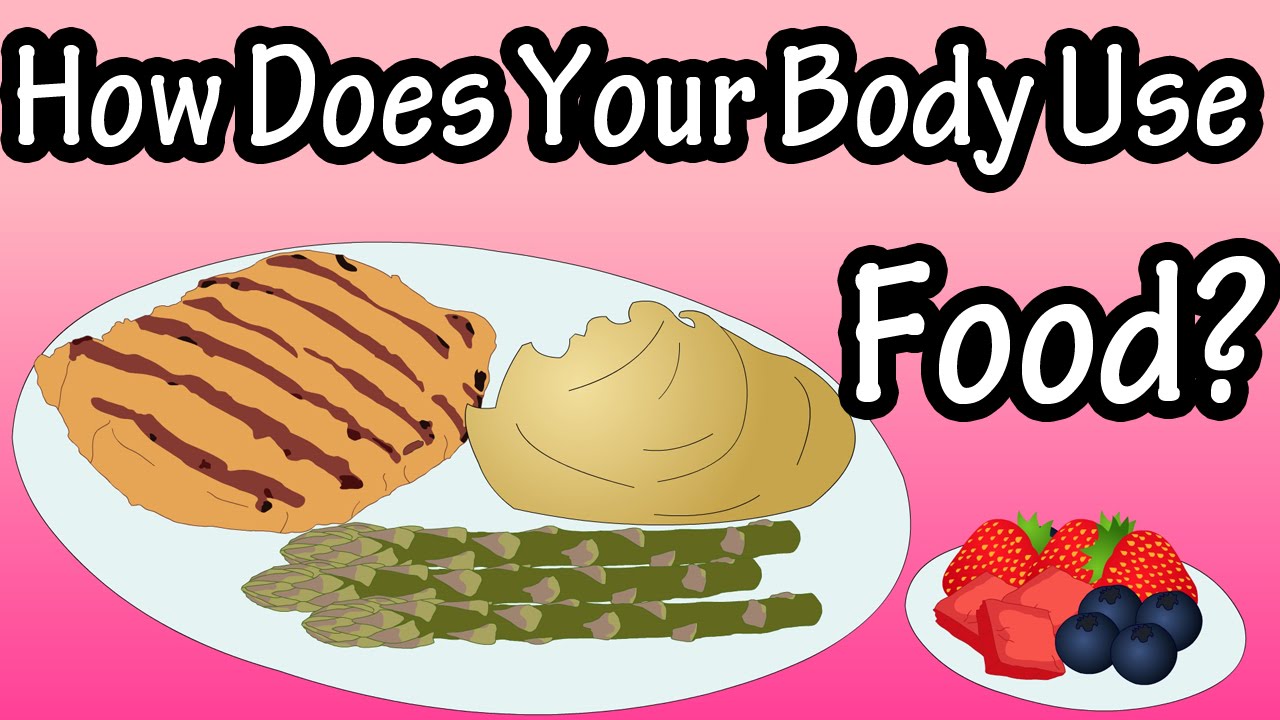
How The Body Uses Food – You Are What You Eat
You Might Also Like
How To Do A Crunch Properly | Beginners Tutorial

Stretching Exercises Before Running
ENDOCRINE SYSTEM EFFECTS OF THE HYPOSECRETION OF HORMONES
Rheumatology Video – 1

One Direction – Perfect (Official Video)
Digestive System And Asnas Video – 4

Get killer abs with BMR Athlete Bilsen Begovic`
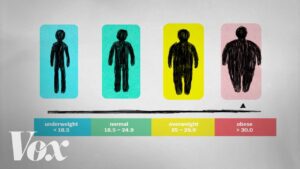
What BMI doesn’t tell you about your health
Stomach Digestion
12B04.2 CV6 Oral Contraception and Surgical Methods

What causes fever vomiting and diarrhea ? | Health For All
3D fat
Close Grip Tricep Push Downs
Decline Bench Press : Chest Exercises
Shock Wave – Mechanism of Action
Hyperextension With ball-6

Keto Diet, Keto Foods, Keto Recipes Video – 9

Asanas Meaning And More Asanas Video – 1
Onco Surgery Video – 3

Dip Tutorial – Chest or Tricep
Nutrition Basics
What is Coronary Heart Disease?
![Read more about the article Best Workout Dynamic Moments [OSW]](https://videos.drmaheshkumar.com/wp-content/uploads/2021/05/Best-Workout-Dynamic-Moments-OSW-300x169.jpg)
Best Workout Dynamic Moments [OSW]

How your baby become male or female ?!!
Multivitamin with Vitamin B Complex Forte & Vitamin C BECOSULES
How long can you live on dialysis with kidney failure ?
Body Composition Analysis
Cardio Exercise Video – 4

Crazy 400m sprint
Athletic Stretching & Cool-Down Exercise: Danielle Pascente
Hip Flexor Stretch – Done Correctly

Pediatric Physiotherapy Video – 5
Does Bovine Insulin in Milk Trigger Type 1 Diabetes?
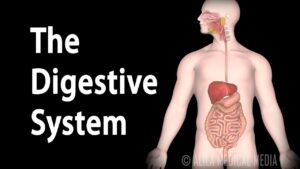
Physiology Basics: the Digestive System, Animation
CrossFit – Josh Bridges Training.
Osteoporosis Signs Symptoms INFECTION CONTROL , HEALTH EDUCATION , URDU / HINDI
3D Medical Animation – Congestive Heart Failure

Vomiting and Diarrhea – Akron Children’s Hospital video

Physiology Of Sports & Sports Medicine Video – 1
Basic definitions, Biology Lecture | Sabaq.pk |
How Do Straight-Arm Dumbbell Pullovers Work the Chest? : Weightlifting & Fitness