
Important Facts About Vitamin K. Its Types, Benefits & Best Vitamin K Sources. Vitamin K is a fat-soluble vitamin that is most well-known for the important role it plays in blood clotting. However, vitamin K is also absolutely essential to build strong bones and prevent heart disease. In fact, vitamin K is sometimes referred to as the forgotten vitamin, because its major benefits are often overlooked. Following are some important facts about vitamin K that will help you to discover why vitamin K is one supplement you may need. There are three types of vitamin K. Vitamin K1 is found naturally in plants. Vitamin K2 is made by the bacteria that line the gastrointestinal tract. Vitamin K3 is manmade and therefore should not be consumed. Vitamin K is fat-soluble. That means in order for the body to absorb it effectively, you need to eat some fatty foods along with it. These are the biggest sources of vitamin k. Collard Greens, Spinach, Salad Greens, Broccoli, Brussels Sprouts, Cabbage, Olive Oil, Okra, Green Beans, Lentils. Fermented foods, such as natto, have the highest concentration of Vitamin K found in the human diet; a level that far exceeds the amount found in dark green vegetables. It improves bone density by helping direct calcium into the bone matrix. Vitamin K has been proven to slow the growth of cancer cells and are shown to benefit in treating leukemia. Having a deficiency in vitamin K can interfere with insulin release and blood sugar regulation in ways similar to diabetes. It also has antioxidant properties and is a topical vitamin, which helps reduce bruising. If you or your family have a history of osteoporosis or heart disease, it is vital to add vitamin K to your diet. A recommended three thousand mcg of vitamin K are recommended daily. Pregnant or nursing mothers should avoid vitamin K supplements. Supplements attain a higher dosage of the vitamin, which can induce toxicity in infants. According to Food and Nutrition Board there are no adverse effects associated with consumption of excessive amount of vitamin K from food or supplements have been reported in humans or animals.” For copyright matters, Please contact: [email protected]
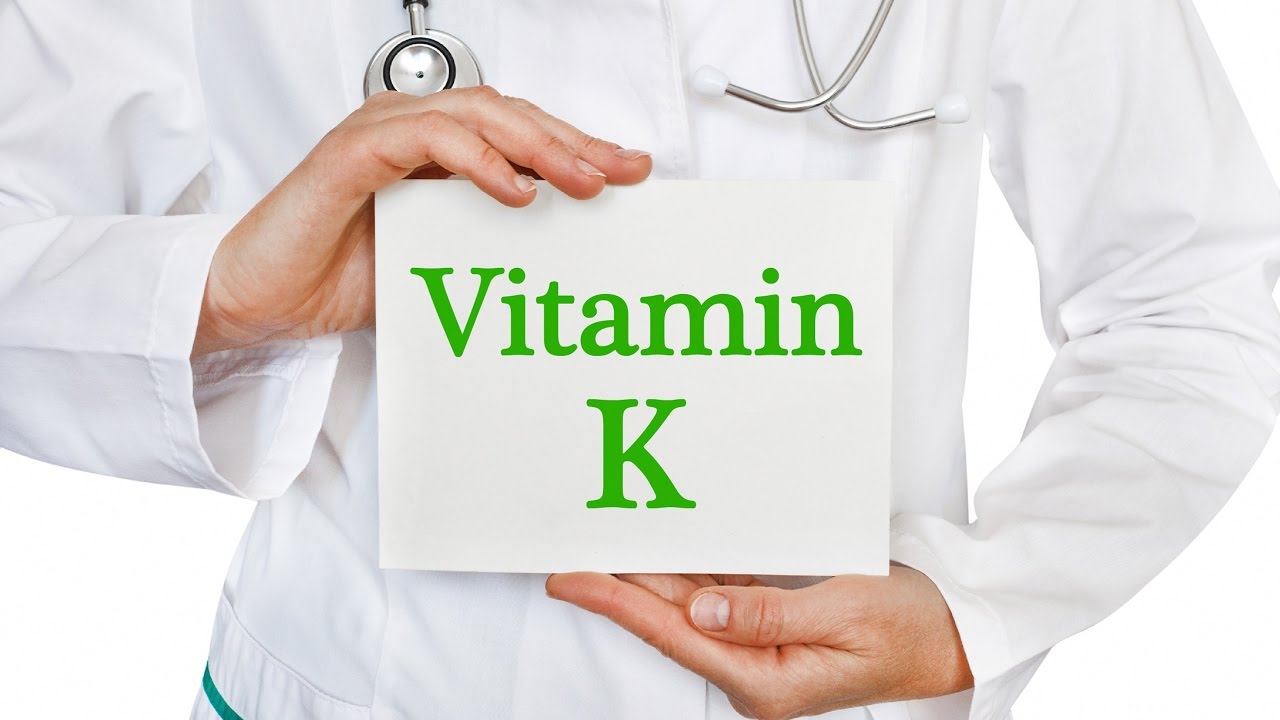
Important Facts About Vitamin K – Best Vitamin K Sources, Types & Its Deficiency
You Might Also Like
Obstrics Surgeries Video – 4
Prostate Enlargement: Benign Prostatic Hyperplasia – BPH Causes, Symptoms, Treatment Animation Video

Orthopedic Nutrition Video – 2

How to Treat Vomiting & Diarrhoea in Kids

Juggernaut Method Squats + Wild Pulls
Osteoporosis Meaning

Health Check: Body Composition

Bowflex® How-To | Shoulder Side Raises for Beginners

5 MUST-TRY Techniques For Chest Definition
Thyroid Gland – Thyroid Follicles – Parafollicular Cells – Thyroid Hormones – T3 T4 and Calcitonin
Energy Food Metabolism
Plastic Surgery Video – 1

What is Fitness World Gym’s?

Shockwave Therapy for Erectile Dysfunction Demonstrated and Reviewed

Chemistry in Everyday life part 13 (Food additives) CBSE class 12 XII

Latissimus Dorsi Bent Over Row-1

Dementia Video – 3

Dance Cool-Down & Flexibility Exercises: Burn to the Beat- Keaira LaShae

What is LACTATION? What does LACTATION mean? LACTATION meaning – How to pronounce LACTATION?
Barbell Bench Press-6

List of new diabetes medication- Side effects

Swedish Massage Video – 1

Protein Powders for Weight Loss!

Biceps: One Arm Preacher Curl Low Pulley Cable

Does BMI Actually Matter?

Basketball Video – 3
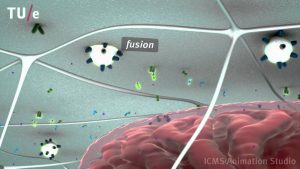
Energy metabolism in skeletal muscle cells

Lateral Raises-9
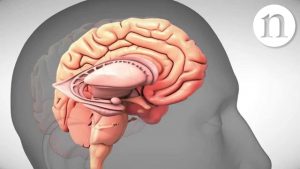
Depression and its treatment

ideal waist to shoulder ratio – perfect body shape for a man
Antihypertensives: volume decreasing: ACE & Diuretics (VOLUME ONLY)

Is BMI the best measure of obesity?
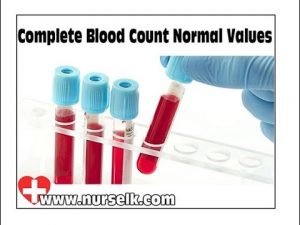
Complete Blood Count with Normal Values

Keto Diet, Keto Foods, Keto Recipes Video – 5
Introduction to metabolism: anabolism and catabolism | Khan Academy

6 Muscle Gaining Mistakes (SLOW OR NO GROWTH!!)

Cardiology Video – 2
Enalapril

Keto Diet, Keto Foods, Keto Recipes Video – 7

Sports Physiotherapy Video – 4
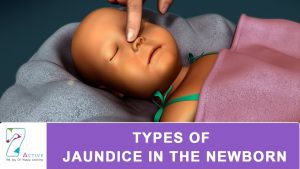
Types of Jaundice in Newborn