
In this video we look at what is a healthy heart rate, what affects heart rate, and how to take your pulse. We also look at normal heart rate as well as exercise and heart rate. Transcript notes What is heart rate? What is a healthy heart rate? What is a normal resting heart rate? Heart rate is the number of times your heart beats in a minute. It is measured in bpm or beats per minute. A healthy, Normal resting heart rate is usually between 60 and 80 beats per minute. The resting heart rate of a woman is usually about 10 beats more per minute than that of a man in the same age range, and elite athletes can have a resting heart rate near 40 beats per minute. This is because Individuals that are fit have a larger stroke volume of the heart. Stoke volume is the amount of blood ejected from the heart per beat. So, the heart of someone who is really fit does not need to beat as many times to have the same output of blood as an unfit person. Another thing that has a major effect on heart rate is stress. During stressful situations the body releases the hormone adrenaline which causes an increase in heart rate, which is beneficial when you are in danger, but unhealthy in everyday situations. When you are sitting and resting, your heart beat will be lower, and as you start to move around, your heart beat will increase. When you exercise your heart rate will vary, depending on the intensity of the exercise, your age, the position your body is in, standing vs. lying down, your current fitness level, the type of exercise you are performing, and the temperature and humidity that you are in. Medications can also have a dramatic effect on heart rate. As we get older, our maximum attainable heart rate decreases. There is a simple equation that is used to estimate a person’s heart rate max. 220 – your age, so for instance, for a 35 year old person, the equation would be 220 – 35 = 185, so their max heart rate should be somewhere around 185 beats per minute. That would be at full physical exertion, like sprinting all out. There is some margin for error of estimating heart rate max, so this number will give you a general idea. There are many training devices that will gauge your heart rate throughout your day and exercise sessions, or you can do it the old fashioned way put the tips of your fingers on the blood vessel on the thumb side of your wrist. Use a timer on your phone and count the number of beats for 10 seconds, and then multiply that number by 6. For example I counted 11 beats, so 11 times 6 is 66. That means my resting heart rate is at 66. And that be the basics on heart rates.
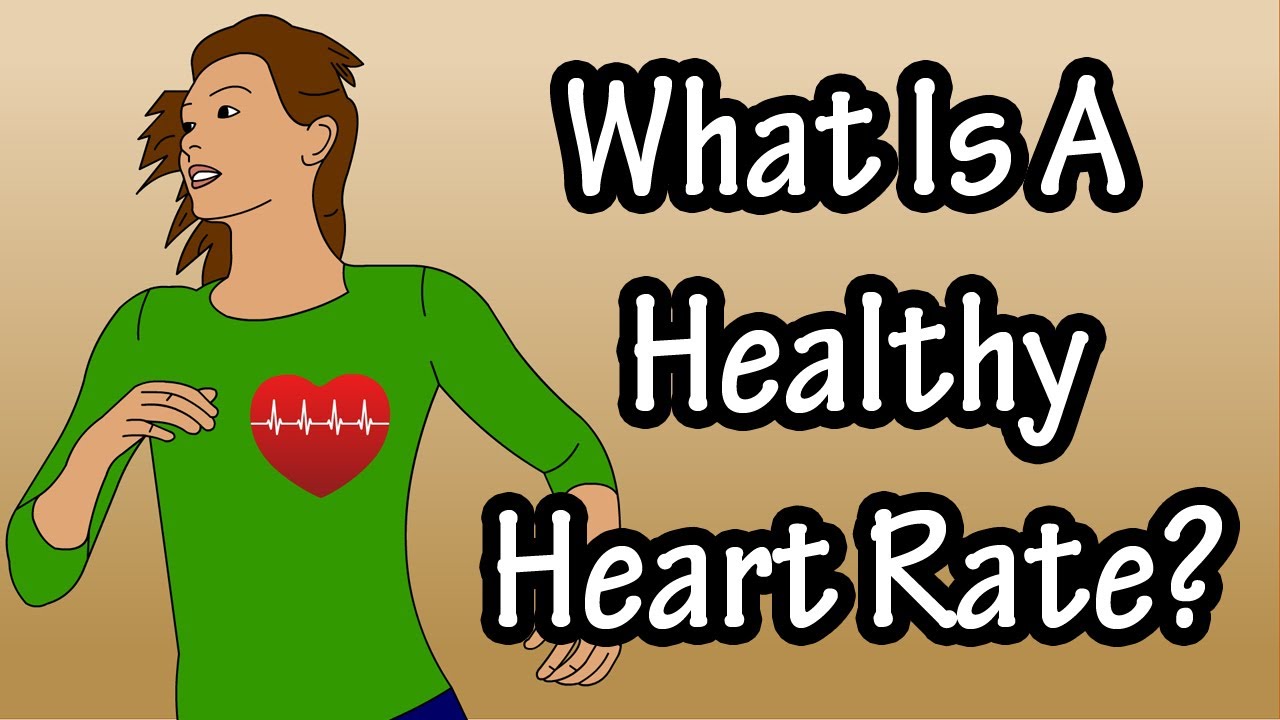
What Is A Healthy Heart Rate – What Affects Heart Rate – What Is Maximum Heart Rate
You Might Also Like

Neurodevelopmental Disorder Video – 4

Lateral Raises-4
Lateral Raises-5
how to gain weight fast for females | diet plan for weight gain

BCAA-Best During Workout Supplement | Health and Fitness Tips | Guru Mann

How to Chose Best Supplement Powder In India | Bodybuilding | BeerBiceps Fitness

Oncology Video – 4

Phil Heath’s Cable Hammer | Bicep Exercise #3
Basics of Metabolism

Abhyanga – Ayurved Video – 3
Health Benefits of Barley – Nutritional Information

Lateral Raises-6
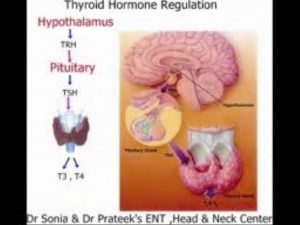
FLUORIDE : Thyroid Hormones 8 / 20

Branches of Physiotherapy Video – 20

What Are BCAAs Branched Chain Amino Acids? When & How To Use

Echo

Pregnancy Exercises Video – 2

Mitral Heart Valve Ring – Medical & Scientific Video Production
Zumba Dance Workout for weight loss

ANEMIA AWARNESS VIDEO

Top 20 High Protein Foods for Vegetarians & Non-Vegetarians

Arnold Schwarzenegger ”Bodybuilders Today Are Not Accepted. They’re Too Big With No Talent” HD
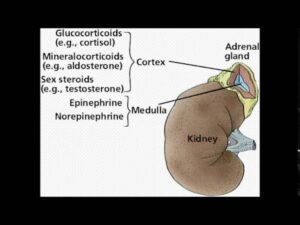
Endocrine System Activity: Adrenal Cortex

Shrugs-11

Military Press – Dumbbells

Does masturbation reduce sperm count? | Metromale Clinic & Fertility Center

India’s Best Fish Oil – Omega 3 at CHEMIST SHOP | Cheapest | Guaranteed Results

Tricep dips on floor

How To: Plank

How To: Close-Grip Barbell Bench Press

Rowing Video – 4

Build an Amazing Chest With These 3 Push-Ups at Home

Donkey Kicks-9

Aroma Therapy Video – 2
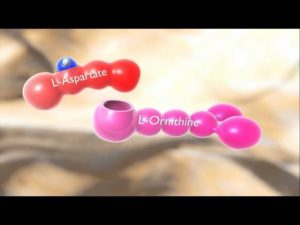
Hepa-Merz (L-Ornithine; L-Aspartate)

Alyaa Gad – Thyroid Gland

HOW TO MAKE SIMPLE FOOD SWAPS FOR A LOW CHOLESTEROL DIET

Child And Adolescent Psychiatry Video – 3
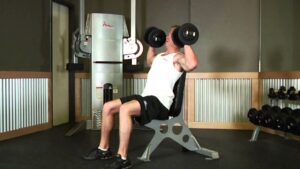
Dumbbell Shoulder Press – Shoulder Exercise – Bodybuilding.com
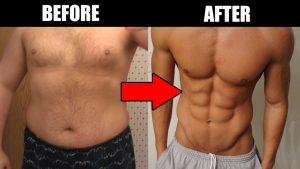
BEST Workout & Diet ADVICE for DATING | How to Build Muscle & Lose Fat FAST

Nutrition Local Applications (Skin & Hair) Video – 1