
Normal blood pressure is 120/80. What is hypertension or high blood pressure? Who is at greatest risk for developing it? Kathy Ianuzzo, RN, of Saint Peter’s Community Mobile Health (CMHS), explains the numbers and risks. CMHS can be found throughout the area on a daily basis providing blood pressure screenings. Some additional info on this last one — Call 732-745-8600, ext 8903, to schedule a screening at community venues such as senior centers, churches, schools and corporate sites. Learn more about Hypertension: http://www.saintpetershcs.com/cmhs ———————————————————————————————————————- Hypertension is a term used to describe high blood pressure. What blood pressure is, is a measurement of the force of the blood as it pumps through your arteries. A normal blood pressure is 120 over 80. The two numbers in a blood pressure, the top number should not be greater than 120, and the lower number should not be greater than 80. The top number is called your systolic pressure and that is a measurement of the force in the arteries as your heart pumps blood. The bottom number is called diastolic blood pressure and that is the measurement of force in the arteries when your heart is at rest. Anywhere from 120 over 80 to 140 over 90 would be considered pre-hypertension. Pre-hypertension often leads to high blood pressure, hypertension. Anything greater than 140 over 90 is considered high blood pressure or hypertension. The people at greatest risk for hypertension are African-Americans, also if you have a family history of hypertension, and that’s why it’s important to know your family history. People who are obese are also at great risk for developing hypertension and long-term stress increases the risk for hypertension. Smoking cigarettes, taking drugs, both street and over-the-counter medication are risks for developing high blood pressure and diabetes also puts you at risk for high blood pressure. The symptoms of a high blood pressure are sometimes very vague. It could be something just a simple as headache, also confusion, any visual disturbances. Sometimes nausea and vomiting could also be a sign of high blood pressure and nose bleeds. However, it’s important to note that hypertension is called the silent killer because you may be walking around with a very, very high blood pressure and have absolutely no symptoms at all. That’s why it is wise to have your blood pressure checked frequently because although you may be feeling perfectly fine, you could have high blood pressure. While there are many causes of hypertension some of the greatest causes would be conditions of the kidney, conditions of the blood vessels and of the nervous system, increased cholesterol also contributes to hypertension and of course, age. As we age, our blood vessels become stiff and that increases our blood pressure. The water and salt ratio in our body contributes to high blood pressure, and also certain hormone levels would also contribute to high blood pressure. Thank you for choosing Saint Peter’s.
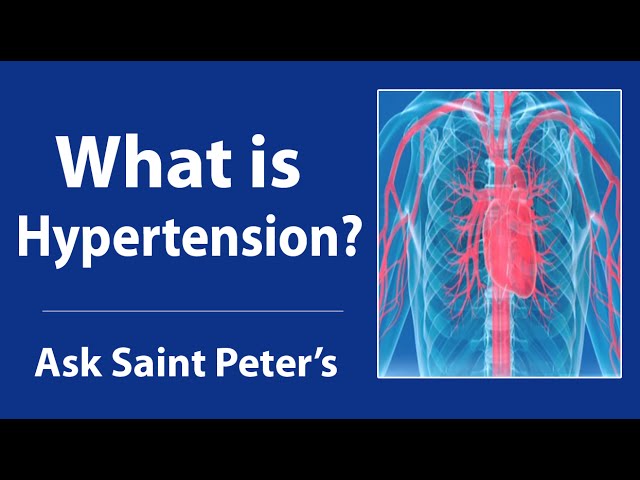
What is Hypertension?
You Might Also Like

Blood Pooling: Cardiovascular Physiology

What does endurance mean?

Swimming Video – 4
Stretching Your Calf Muscles – Kinetic Health

What Is Diabetes

Hygiene And House Keeping Video – 1

Orlistat helpful in obesity fight

Body Fat Reduction Animation

Top 20 Magnesium Rich Foods

Upper Back and Trap Thickness (2 KEY EXERCISES!)

Geriatric Physiotherapy Video – 12
Degenerative Disc Disease (DDD) Stretches & Exercises – Ask Doctor Jo
Erector Spinae Back Extension-8

Causes of Male Infertility

Fit over 50 training review – Does fit over 50 training program work ?
Growth Hormone

Community Psychiatry Video – 2

Find Out The How Much Protein Your Body Needs | Muscle Building | BeerBiceps Fitness

General Practice Video – 3
What Is Rheumatoid Arthritis?

LEG RAISES can build SIX PACK ABS! (Hindi / Punjabi)

Renal Physiology – Biology Made Simple
Bodybuilding Motivation – Concieve Believe And Achieve

What is fat

‼️URGENT These SIGNS Indicate That You Have DIABETES‼️
Male Breast Reduction (Gynecomastia) | Dr. Michael Gartner
Pharm Team Alisa Half-Life
Which Spices Fight Inflammation?
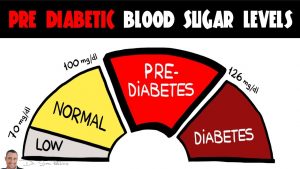
Blood Sugar Health Tips – Pre Diabetic Blood Sugar Levels! – by Dr Sam Robbins
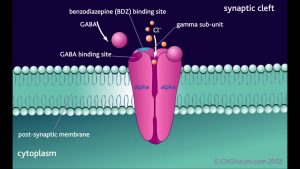
Xanax in the Brain- Brandon Cruz

Biceps – stability ball curls

Trampoline Video – 1

Plyometrics – Circuit Training Ideas
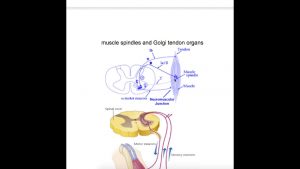
Muscle Nerve structures involved in muscle contraction & relaxation
Fasting and Nutritional Anemia || Information
What is Body Mass Index and why is it so important?
Liver Function Test
Home Cholesterol Test (Total & HDL) Demonstration

Finding your Body Type & Building Muscle
11 Signs Your Body Needs More Magnesium
Fitness Testing