
Heart attack, stroke and heart disease are responsible for a significant number of deaths and hospitalizations each year. Risk factors include smoking, drinking excessive alcohol, excess body weight, high blood pressure, high cholesterol, diabetes, genetic and lack of exercise. However, improvements in detection, awareness and treatment have dramatically reduced the death rates of heart disease. Eating a heart-healthy diet (low in salt and saturated or trans fats, and rich in fruits, vegetables and whole grains) can reduce your risk of cardiovascular diseases. 1. Broccoli Studies imply that the consumption of broccoli reduces immensely the risk of developing cardiovascular complications. Nutrients in broccoli stems reduce bad cholesterol and increase HDLs (good cholesterol) in the bloodstream. Broccoli’s protective function is also linked to its power of enhancing heart’s muscle operation, and protecting it from damage caused by free radicals. 2. Whole Grains Whole grains contain a considerable amount of antioxidants, minerals, fibers and vitamins which have a remarkable impact on the prevention of heart disease. Whole grains consist of both the bran (outside layer) and the germ (layer inside the bran). Refined flour eliminates most of the beneficial constituents of the grain which work together and maintain a healthy heart. 3. Nuts (Choose varieties with less salt) Nuts deliver an overwhelming supply of monounsaturated fats that are favorable to the health of the cardiovascular system. Daily consumption of nuts (one portion), reduces the risk of coronary disease by as much as 30%. In addition, nuts contain Vitamin E which helps lower bad cholesterol and some, like walnuts, are high in Omega-3 fatty acids. 4. Fatty Fish (tuna, salmon, sardines, mackerel) Studies have revealed that regular consumption of fatty fish (Omega-3s), has positive effects on the heart by reducing incidents of arrhythmia (irregular heart beat), a disease often responsible for sudden death. Omega-3 fatty acids reduce the risk of atherosclerosis (plaque build-up in the arteries) and reduce triglycerides. 5. Red Wine Red wine is generally acknowledged for its significant quantity of the molecule “resveratrol”, which helps keep platelets in your blood from sticking together. Resveratrol restricts the formation of blood clots that can block blood vessels and cause strokes and heart attacks. Regular drinking of red wine has protective effects against heart disease which causes serious health problems. 6. Berries Blueberries, strawberries and other berries as well, lower the risk of heart attack by about 30 percent. Berries contain beneficial compounds known as “anthocyanins”, flavonoids (which are antioxidants), that may decrease high blood pressure and dilate blood vessels. Furthermore, berries deliver fiber and Vitamin C which are both linked to a lower risk of stroke. 7. Potatoes Baked or boiled, potatoes are rich in potassium which can help lower blood pressure. Their health benefits include dietary fiber which helps with weight loss and may help lower blood cholesterol, thereby, decreasing the risk of heart disease. Potatoes contain Vitamin B6, which prevents the buildup of a compound called homocysteine. If excessive amounts of homocysteine accumulate in the body, it can damage blood vessels and lead to heart problems. 8. Tomatoes Tomatoes are a good source of the antioxidant “lycopene”, a carotenoid that helps maintain safe cholesterol levels, keeps blood vessels open and lowers heart attack risk. Delicious tomatoes contain high, heart-healthy potassium and low amounts of calories and sugar, important steps you can take to have a healthy heart. 9. Legumes (beans, lentils, chickpeas) Beans are a first-rate source of soluble fiber which has the potential to lower LDL, “bad” cholesterol levels. Legumes are all good sources of minerals, vitamins and other nutrients that may prevent cardiovascular diseases. Significant amounts of magnesium found in legumes improve the flow of blood, oxygen and nutrients throughout the body. 10. Olive Oil Along with nuts, whole grains, vegetables and fruit, the “Mediterranean Diet” lists olive oil as its primary source of fat. Olive oil conveys healthy monounsaturated fat which prevents high cholesterol buildup on the walls of your arteries. Sometimes, a blood clot can build up in the narrowed artery and move to the heart, causing a heart attack.
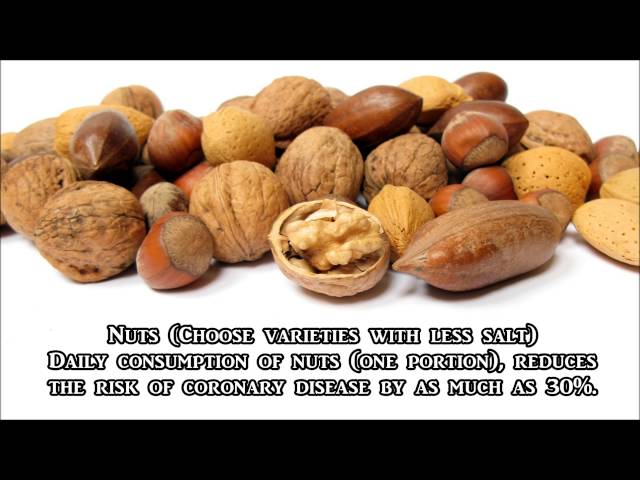
Top 10 Foods to Prevent Heart Disease
You Might Also Like

Avoid This Type of Stretching

Donkey Kicks-7

Overweight & Obesity Video – 4

Cricket Video – 4
Antioxidants
Diabetes: Insulin’s side effects

Do You Need PROTEIN on Non-Workout Days?

Celltac alpha MEK-6510 Nihon Kohden

Pip Progressive Muscle Relaxation
what causes high diastolic blood pressure

Educational Psychology Video – 2

One Arm Dumbbell Preacher Curls – Biceps Exercise – Bodybuilding.com

Anabolic Steroids – History, Definition, Use & Abuse Video – 18

How to Perform Manual Hamstring Curls | Bodyweight Exercise Tutorial
deamination and the liver.

What are Carbohydrates?
Mushroom Nutrition Video – 1

Decline Bench Press-8
How to Treat a Low Sperm Count | Infertility

Leg Curl-5

Rear Deltoid-2

Thyroid Hormone Resistance Workshop

Best Foods to Gain Weight | Healthy Recipes

Tricep Single Arm Extension | Tricep Exercise #1 | Sangram Chougule Fitness

TIPS | Rujuta Diwekar| Food for Breastfeeding Indian Moms ( Episode 2)

How to Do Back Extension Exercises
Gynecomastia (Medical Condition)

Menopause – Causes, Symptoms and Treatment Options

Preventive Medicine Video – 4
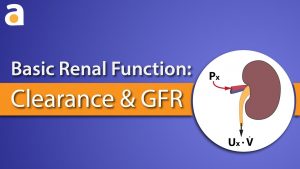
Basic Renal Function: Clearance and GFR

Body Mass Index, Health Eating and Weight Loss – Telugu
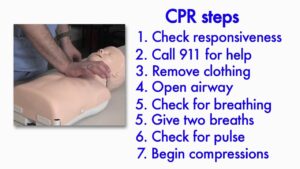
First Aid Video – 2

Nephrology Surgeries Video – 2

xenical club new you_mpeg4.mp4

Barbell Bench Press-7

First Aid Video – 5

How to do One Arm Dumbbell Triceps Extension? Avoid any injury. #52

What Causes Varicose Veins?

Starting My Finasteride Journey
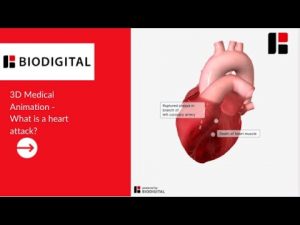
3D Medical Animation – What is a Heart Attack?
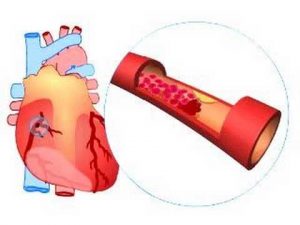
What causes a heart attack?