Essential Amino Acids and BCAAs: The Breakdown Out of the 22 different aminos, there are nine amino acids that our body cannot manufacture itself and must be consumed through food or supplementation form. These specific nine are known as Essential Amino Acids. Out of these nine come the three most important aminos in your body which are leucine, isoleucine and valine. These are known as Branched Chain Amino Acids or BCAAs. These three play a very critical role when it comes to muscle building and repair. What makes BCAAs different? BCAAs, comprising almost a third of the aminos in muscle tissue, are different from all of the other aminos in that fact that they are metabolized in the muscle versus the liver. This allows them to be a quick energy source when the body needs it most as they are used by the muscle cells to produce what is known as ATP. ATP is our body’s primary source of fuel when training. BCAAs offer a wide variety of benefits such as supporting quicker muscle recovery and repair post-workout, helping to increase energy levels, added muscle building potential, increasing strength and power and even have a preventing muscle loss while dieting. BCAAs are the drivers to muscle building. All BCAAs, but especially leucine, inform the body to start building muscle. Recent studies have shown that by taking leucine you can activate more protein synthesis; therefore, increasing the body’s ability to product new muscle tissue. Protein Powders vs BCAAs At this point you may be questioning yourself about taking a protein powder, a BCAA powder or both. The answer to sustaining real muscle growth, recovery and repair, is taking one another together. You are getting amino acids and BCAAs in your protein powder but due to the way that they the amino acids are formed, they do not work the same way within the body. The amino acids you get in your protein powder are known as “bonded aminos”, meaning they are linked together in a chain. BCAAs on the other hand are “free form aminos”. In simpler terms, do you want your body taking time to break down the chain of aminos to get them into your muscle or do you already want them broken separately to get into the muscle faster and with better absorption, leading to quicker muscle response and growth? With the combo of both, you are increasing the body’s ability to grow with the BCAA’s, but the body can’t grow without the rest of the aminos on hand. This is where protein powders step in. Obviously the key to growing more muscle and getting the effects of both the protein powder and the BCAAs is response time. This is why BEST BCAA stands out amongst the competition. BEST BCAAs uses Oligopeptide-Enzymatic Technology. This helps speed up the absorption, digestion rate and bioavailability of these the BCAAs. This technology makes BEST BCAA your best choice for taking pre-, intra- or post-workout, as well as in the morning if you are doing fasted training. Speaking of protein, is your protein actually really protein? Amino spiking, or protein spiking, is a technique used by supplement companies to put in less protein than what’s actually listed on the label by adding in separate amino acids or ingredients such as gylcine, taurine, leucine and creatine to boost nitrogen levels. It’s the industry’s dirty little secret! So if you are looking at your protein label and notice these ingredients in the “Other Ingredients Section”…beware. The only way to verify that what is on the label is actually in the jug is by having a third-party company test it for protein content and see if there are excess amounts of these nitrogen increasing aminos. This is why BPI Sports has created a partnership with ChromaDex. Chromadex, one of the most respected names in sports nutrition, combines proprietary science-based chemistry solutions and the necessary expertise to implement a true quality verification seal program. Every bottle that comes of BPI’s manufacturing line is put through several tests checking for label accuracty, looking for trace amounts of metals and confirming the purity and quality of the ingredients. Now when you grab a bottle of BPI’s Best Protein, look for the Chromadex verification stamp right on the front. Finally a brand and product you know matches what is on the label!
BCAA Supplement vs Protein Supplement – Know Your Supps – BPI Sports
You Might Also Like
Hise Shrugs – Traps Exercise

Omega-3 Fatty Acid Benefits

Pregnancy 101 | National Geographic

CALVES RAISE EXERCISE- Mistakes and a NEW TRICK to blast your calves 100%.

CPR Cardiopulmonary Resuscitation Video – 3

Cardio Exercise Video – 4

What Is Heart Failure? | Heart Disease
Semen Analysis

Starting Insulin Early For Type 2 Diabetes

Preservatives Video – 3

THE Lactation Video to Watch Before Birth
The Best Way To Use Creatine!! Get Amazing Results Fast

Pilates Video – 5

Muscle Building Workout & Squats Video – 38
How the Body Works : Female Reproductive Organs

Badminton Video – 1

A Beginners Guide To Walking Fitness
How To Use Protein Powder: Simple Step-By-Step Guide
How to Use Whey Protein for Weight Loss

How to Build Running Stamina

Physiotherapy in Rehabilitation Video – 14

Badminton Video – 4

Sugar Free, Low Sugar Video – 8

Preacher Curl Machine or Biceps Curl Machine – HASfit Machine Exercises – Machine Exercise
SPRINT FASTER – PEDAL THE BICYCLE DRILL

Dentistry Video – 4

Instructional Fitness – Shrugs Behind The Back

Insulin Algorithms. Insulin dosing made easy.

Yoga Guide Video – 3

Orthopedics Video – 2

Why Do Newborn Babies Get Jaundice?

Cycling Video – 1

Do You Need PROTEIN on Non-Workout Days?

Nutrition For Diseases Video – 2
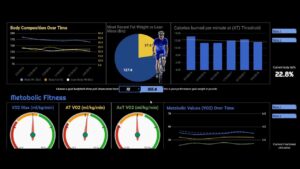
Body Composition
ESR Test

Protein Foods Video – 1

Why Do Newborn Babies Get Jaundice?

Pre Blended Oils Video – 4
Pulmonology Video – 2

Nutrition Physiology Video – 1