
Now let’s get to understand some fitness definitions that are important for you. – Aerobic/cardiovascular activity. These are exercises that are strenuous enough to temporarily speed up your breathing and heart rate. Like, running, cycling, walking,swimming, and dancing. – Flexibility training or stretching. This will enhance the range of motion of joints. Age and inactivity tend to cause muscles, tendons, and ligaments to shorten over time. Remember that stretching and warming up are not the same. In fact, stretching cold muscles and joints can make them prone to injury. – Strength, weight, or resistance training. This type of exercise is aimed at improving the strength and function of muscles. Specific exercises are done to strengthen each muscle group. Weight lifting and exercising with stretchy resistance bands are examples of resistance training activities, as are exercises like pushups in which you work against the weight of your own body. – Set. Usually used in discussing strength training exercises, this term refers to repeating the same exercise a certain number of times. For instance, a weight lifter may do 10 biceps curls, rest for a few moments, then perform another “set” of 10 more biceps curls. – Repetition or “rep.” This refers to the number of times you perform an exercise during a set. For example, the weight lifter mentioned above performed 10 reps of the bicep curl exercise in each set. – Warm up. This is the act of preparing your body for the stress of exercise. The body can be warmed up with light intensity aerobic movements like walking slowly. These movements increase blood flow, which in turn heats up muscles and joints so they would be more functional and less prone to injury. – Cooldown. This is the less-strenuous exercise you do to cool your body down after the more intense part of your workout. For example, after a walk on a treadmill, you might walk at a reduced speed and incline for several minutes until your breathing and heart rate slow down. Stretching is often part of a cooldown. – Maximum Heart Rate is based on the person’s age. An estimate of a person’s maximum age-related heart rate can be obtained by subtracting the person’s age from 220. So it you’re 30 years old, your maximum heart rate should be 190. – A way to measure the intensity of your exercise is to check your heart rate or pulse during training. These should be within a target range during different levels of intensity. – A person’s target heart rate should be 50% of his or her maximum heart rate. All the best! Alyaa Gad

Fitness Definitions
You Might Also Like
Hormonal Control of the Menstrual Cycle, Animation.

Deadlift Back Extensions

Rear Deltoid-6

Cardiac CT Angiography Live 2 Day Training Course
Abs workouts Anatomy 20 Exercises That Building your abs muscle

FAT SOLUBLE VITAMINS MNEMONICS AND HINTS

3 Key Chest Exercises To Build The Upper Chest
Side Crunch With Weight-7

Jay Cutler’ Leg Extension – Exercise #1
AP2 EXAM 1: ABNORMAL ECGs.avi

How to Do a Dumbbell Tricep Extension | Arm Workout

Flaxseeds (अलसी)- Most powerful seeds on the planet
What to Eat Before Gym and What to Eat After Gym Workout

Muscular Strength Asanas Video – 4

Human Body, Body Building Muscle Building Anatomy Physiology Video – 50
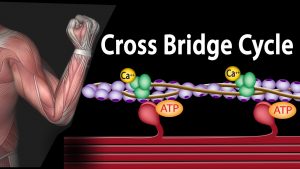
Muscle Contraction – Cross Bridge Cycle, Animation.

How to give your cat an insulin injection

Testosterone & Androgenic Effects Video – 18

Abnormal Psychology Video – 3

Branches of Physiotherapy Video – 18
Hormonal Weight Gain In Females

How to do an ECG- OSCE

Intense Pyramid Warm Up – Circuit Training Ideas
What Body Shape You Are Says A Lot About Your Weight

What is Renal Hypertension & Renal Stenosis with its management? – Dr. Pallavi Patri

Nerd Muscle Growth

Testosterone & Androgenic Effects Video – 22
fitball back extension

Skeletal System
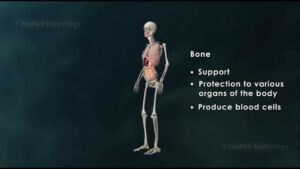
Structure of Bone|Anatomy of Bone|3D Animation|Biology
What Is The Definition Of Basal metabolic rate Medical Dictionary Free Online

Diabetes Monitoring – NO MORE PRICKING YOUR FINGERS!
Pranayama Video – 3

atlas in motion – INSULIN (ft. adri)

Dentistry Video – 2

Dumbbell Shrug – HASfit Trap Exercise Demonstration – DB Shrug – Traps Exercise – Upper Back
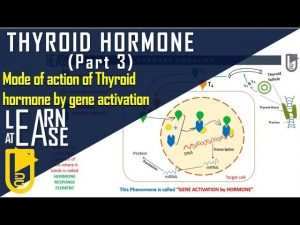
Thyroid Hormone (Part 3) Mode of action of Thyroid hormone by gene activation

How To Do Flat Bench Chest Flys

What is Aerobic Exercise- Cardio and aerobics workouts

Spor Salonunda Yapılan Hatalar 18 – Barbell Lying Triceps Extension Nasıl Yapılır

Static neck exercises 5 kinds.avi