Glutamine can be the building block of everything we need to feel our best. It’s something that I use with most of my clients 1:1 at http://www.ThomasDeLauer.com What Does Glutamine Do? It is known to play a protective role in our immune and digestive systems – it is used medically to help those undergoing chemotherapy with both digestive problems and immune system function as well as for those diagnosed with bowel surgery to improve recovery. Glutamine is formed by our muscles and released into the bloodstream to be delivered where it is needed throughout the body. Glutamine provides nitrogen and carbon to cells throughout the body. Glutamine and the Immune Response: When our bodies have gone through something stressful, such as surgery or a traumatic episode, nitrogen is needed to keep organs functioning and to heal wounds. About ⅓ of this nitrogen is delivered via glutamine. While under healthy, normal conditions our bodies are able to create enough glutamine, when we experience lots of stress our bodies could use more glutamine via supplementation. This is because our bodies have been found to have lower blood and muscle glutamine levels after major stress. -This is likely due to the supply exceeding the demand This lowered glutamine plasma concentration is thought to be tied to the hampered immune system functions following such stressors. It was found that supplementation of glutamine following bone marrow transplantation was tied to lower infections and shorter hospital stays. (2) This positive impact on the immune system is through the effect of glutamine on lymphocyte proliferation and cytokine production. -Lymphocytes are a type of white blood cell that produce antibodies that attack invading cells and those of the body that have been taken over by the virus/cancer -Cytokines are molecules that aid cellular communication when immune responses occur, leading to cell movement towards injured sites such as infection and inflammation Glutamine and Healthy Gut Functioning: When you experience digestion problems such as bloating and pain, this is caused by inflammation. Just as glutamine aids in healing after a traumatic event, your body responds similarly to an inflamed gut, as inflammation is an immune response. When your gut is inflamed, the intestinal permeability increases. Large particles are able to pass through to the blood, causing your immune system to respond and attack food similar to how it attacks pathogens. The gut is not only responsible for digestion and nutrient absorption, but also protects us from invading pathogens. Glutamine has been linked to decreased intestinal permeability through its ability to strengthen the walls of the gut. Dosage: The average dietary consumption of glutamine per day is 6g. Supplements are available as L-glutamine in tablets, capsules or powder. How much to take depends on the symptoms that you are presenting, with the suggested daily supplementation ranging from 2 g to 20 g. Consult your doctor before taking large amounts of glutamine. If you have an ulcer or other health concern they can help guide you as to the best amount to take. If you are worried about your immune system or gut health, for example if you have experienced a recent trauma or are training for a marathon, supplement with 2 g to 5 g per day. References: 1. Glutamine http://www.webmd.com/vitamins-supplements/ingredientmono-878-glutamine.aspx?activeingredientid=878& 2. Glutamine and the immune system http://www.ncbi.nlm.nih.gov/pubmed/10582122 3. Lymphocytes http://www.ncbi.nlm.nih.gov/pubmedhealth/PMHT0022042/ 4. What are cytokines? http://www.news-medical.net/health/What-are-Cytokines.aspx 5. Glutamine: effect on the immune system, protein balance and intestinal functions http://www.ncbi.nlm.nih.gov/pubmed/9045524 6. Glutamine and whey protein…Crohn’s Disease http://www.ncbi.nlm.nih.gov/pubmed/22038507 7. Dosing and efficacy of glutamine supplementation http://jn.nutrition.org/content/138/10/2045S.full
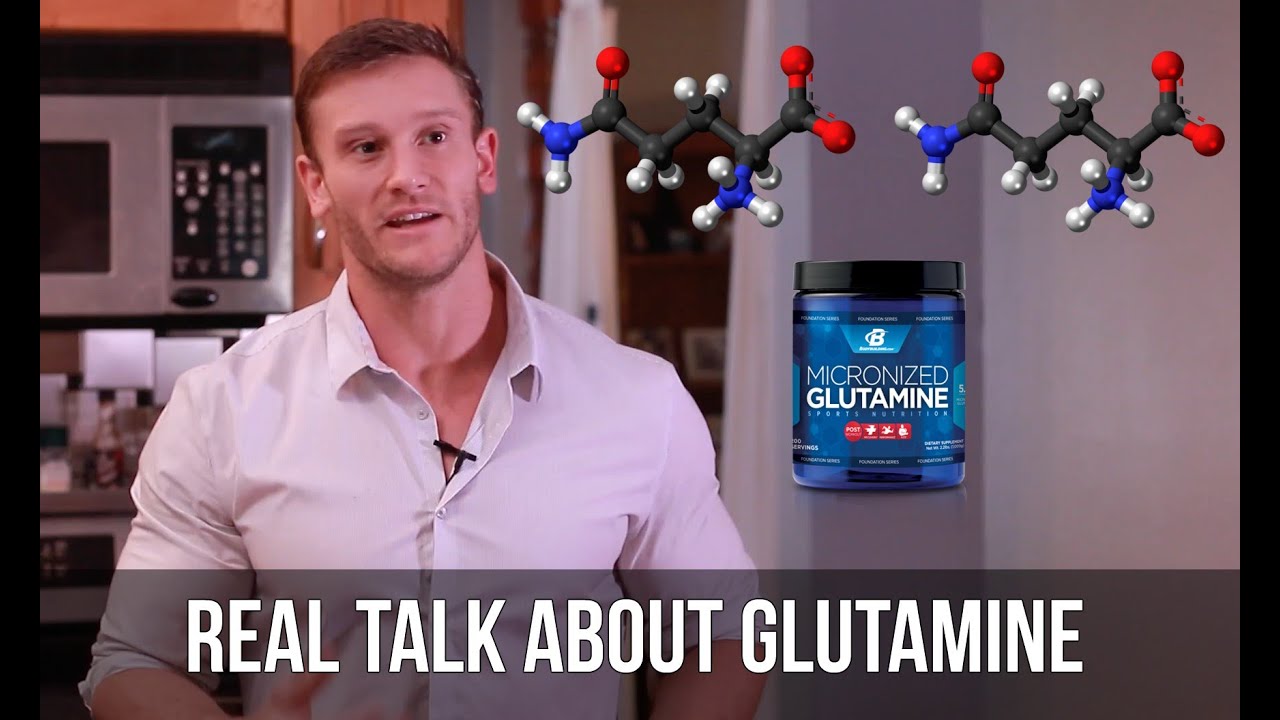
Glutamine: Health Benefits & Muscle Recovery- Thomas DeLauer
You Might Also Like

Emergency Medicine Video – 2
thyroid hormone physiology.mpg

High Pulley Overhead Triceps Extension – Step by Step Tutorial
Antihypertensives: Heart Failure pharmacology
Ferozsons Lab Orlis Animation Final
Endocrine System Diabetes And Asanas Video – 2

Lateral Raises-1

Sleep Medicine Video – 2

Single Arm Tricep Extension – Quick Exercise Demo
Robotics Surgeries Video – 3

How Do Straight-Arm Dumbbell Pullovers Work the Chest? : Weightlifting & Fitness

Community Psychology Video – 4
What Does Your Liver Do?
Best Time To Take Vitamins and Supplements

Laproscopic Surgeries Video – 3

Anabolic Steroids – History, Definition, Use & Abuse Video – 47

Risperdal Side Effects
What is STEROID HORMONE? What does STEROID HORMONE mean? STEROID HORMONE meaning & explanation

Choose Your Best Donkey kick I Choose Jen selter Video , jen selter workout

Endocrine System

Brain Injury Medicine Video – 2

Anabolic Steroids – History, Definition, Use & Abuse Video – 27

How to Treat a Low Sperm Count | Infertility

Respiratory System And Asanas Video – 1

Gain Weight Fast – Without Eating A Lot?

Beacita Advert EN

Instructional Fitness – Shrugs Behind The Back
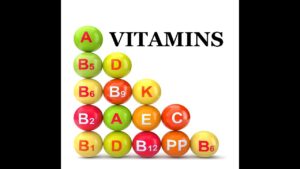
What are Vitamins ? | About Vitamin by Sajjad Khan

How to Do a Torso Twist | Gym Workout
Antioxidant Vitamin Supplements

Does jaundice go away on its own?

Spa Products Video – 1
Chemicals and your Endocrine System

MedicalHorizon: Added Sugars Increase Heart Disease Risk Factors
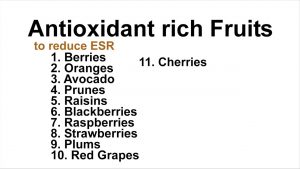
How to Reduce ESR Levels Naturally Home Remedies
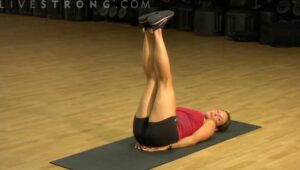
How to Do Leg Raises
Hi9 | Main causes of Low Sperm Count in Men | Dr. Sharmila Majumdar | Sexologist
Metabolic Rate
Antioxidants

What Causes Varicose Veins?

21 Inner thigh Exercises – Adductor Variations