Talk to a Dr. Berg Keto Consultant today and get the help you need on your journey. Call 1-540-299-1556 with your questions about Keto, Intermittent Fasting or the use of Dr. Berg products. Consultants are available Monday through Friday from 8 am to 10 pm EST. Saturday & Sunday from 9 am to 6 pm EST. USA Only. . . What is the pre and post-workout meal myth? Don’t drink another protein shake until you watch this! Timestamps: 0:25 Myth #1: You have to replenish your glycogen reserve. 2:04 Myth #2: You need to eat protein after a workout to build muscle. 3:05 Why you should avoid insulin 3:44 Tips for getting the most out of workouts In this video, we’re going to talk about the pre and post-workout meal myth. Many people will tell you that you need to consume a meal before or after a workout to replenish glycogen stores and build muscle mass. Let’s talk about each of these. Myth #1: You have to replenish your glycogen reserve. You have a certain storage of sugar in your muscles and liver. After about a half hour of working out, you become tapped out of glycogen. After the glycogen stores are depleted, then you start burning fat. If your goal is to lose weight or get toned, then you want to deplete your glycogen stores. Replenishing them doesn’t make sense. Additionally, every time you consume high-protein foods, like a protein bar or protein shake, it triggers insulin. Insulin stops the natural fat burning process. Myth #2: You need to eat protein after a workout to build muscle. Anything you eat right before or after a workout will not immediately affect your muscle mass. It takes at least 24 hours for your digestive tract to break down protein into usable nutrients. The idea that a protein shake is immediately going to your muscles doesn’t add up. You don’t really need protein around your workouts to build muscle mass. It’s the meal you ate yesterday that creates muscle today—keep that in mind. Additionally, if you consume too much protein, you will overload your liver, and it won’t end up as muscle. What you really need to do is avoid things that spike your insulin levels around your workouts—this includes protein shakes and protein bars. You should also know that insulin nullifies growth hormone. When you work out, you induce a stress event that breaks down muscles. During the recovery process is when your body builds muscle. Growth hormone is instrumental—which means that spiking insulin is a huge problem. Tips for getting the most out of your workout: • Get good sleep • Don’t eat anything before, during, or after your workout • Avoid insulin-spiking foods Dr. Eric Berg DC Bio: Dr. Berg, age 55, is a chiropractor who specializes in Healthy Ketosis & Intermittent Fasting. He is the author of the best-selling book The Healthy Keto Plan, and is the Director of Dr. Berg’s Nutritionals. He no longer practices, but focuses on health education through social media. DR. BERG’S SHOP: http://shop.drberg.com/ Follow us on FACEBOOK: fb.me/DrEricBerg Send a Message to his team: m.me/DrEricBerg ABOUT DR. BERG: https://www.drberg.com/dr-eric-berg/bio Disclaimer: Dr. Eric Berg received his Doctor of Chiropractic degree from Palmer College of Chiropractic in 1988. His use of “doctor” or “Dr.” in relation to himself solely refers to that degree. Dr. Berg is a licensed chiropractor in Virginia, California, and Louisiana, but he no longer practices chiropractic in any state and does not see patients so he can focus on educating people as a full time activity, yet he maintains an active license. This video is for general informational purposes only. It should not be used to self-diagnose and it is not a substitute for a medical exam, cure, treatment, diagnosis, and prescription or recommendation. It does not create a doctor-patient relationship between Dr. Berg and you. You should not make any change in your health regimen or diet before first consulting a physician and obtaining a medical exam, diagnosis, and recommendation. Always seek the advice of a physician or other qualified health provider with any questions you may have regarding a medical condition. The Health & Wellness, Dr. Berg Nutritionals and Dr. Eric Berg, D.C. are not liable or responsible for any advice, course of treatment, diagnosis or any other information, services or product you obtain through this video or site. Thanks for watching. I hope this video helped clear up the pre and post-workout myth.
The Pre and Post Workout Meal Myth – DO’S and DON’T
You Might Also Like

6-1-13 Project Mayhem – Getting Stronger without losing conditioning

What Is Circuit Training? | Gym Workout

Endocrine System: Hormones
Best exercises for osteoporosis

What are Antioxidants and Free Radicals Anyway?!

Speech of Definition – Fitness

Protein Nutrition Video – 2

Dermatology/Skin Surgeries Video – 2
Posterior ECG
Resistance – Low Pulley Bicep Curls

Are multivitamin supplements necessary during breast feeding?

Pilates Video – 4
Anabolic Steroids – History, Definition, Use & Abuse Video – 3
High Intensive Circuit Training

MedicalHorizon: Added Sugars Increase Heart Disease Risk Factors
How to Do Back Extensions
Which Body Type Are YOU? (3 Tips For Each!)

Wild Squats-2
BEARD GROWTH UPDATE (DAY 13) BIOTIN OVERDOSING + SIDE EFFECTS + TIPS Advice Guide to a Thicker Beard

Cure For Erectile Dysfunction And Natural Sildenafil Citrate cure
Brain Damage

Law 3: Train to Lose | 10 Laws of Muscle-Building
Incline Bench Press-8

Sugar Free, Low Sugar Video – 6

Deep Water Running | Speedo Fit

Special Term Project Silymarin

Sugar Free, Low Sugar Video – 9
Acne 3D Presentation

Dermatology & Skin Diseases : Accutane Benefits
Insulin pills developed to replace insulin shots for diabetes
6 Lateral Raise Variations

Atenolol

Sit Ups Are A Waste of Time (Do THIS Instead)
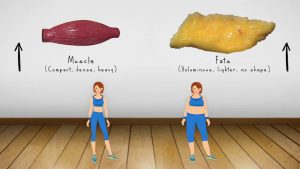
Weight Loss vs Fat Loss animated video/ Difference between fat and muscles
Hyperextension With Machine-6
Overweight & Obesity Video – 8
How Testosterone Affects Fat Loss: Real Science of Low-T | Thomas DeLauer

Pediatric Surgery Video – 3

General Surgery Video – 3
lying tricep extensions workout 200×5 pr
What is the difference between general fitness and golf specific fitness