What Happens During a Heart Attack? The heart muscle requires a constant supply of oxygen-rich blood to nourish it. The coronary arteries provide the heart with this critical blood supply. If you have coronary artery disease, those arteries become narrow and blood cannot flow as well as they should. Fatty matter, calcium, proteins, and inflammatory cells build up within the arteries to form plaques of different sizes. The plaque deposits are hard on the outside and soft and mushy on the inside. When the plaque is hard, the outer shell cracks (plaque rupture), platelets (disc-shaped particles in the blood that aid clotting) come to the area, and blood clots form around the plaque. If a blood clot totally blocks the artery, the heart muscle becomes “starved” for oxygen. Within a short time, death of heart muscle cells occurs, causing permanent damage. This is a heart attack. While it is unusual, a heart attack can also be caused by a spasm of a coronary artery. During a coronary spasm, the coronary arteries restrict or spasm on and off, reducing blood supply to the heart muscle (ischemia). It may occur at rest, and can even occur in people without significant coronary artery disease. Each coronary artery supplies blood to a region of heart muscle. The amount of damage to the heart muscle depends on the size of the area supplied by the blocked artery and the time between injury and treatment. Healing of the heart muscle begins soon after a heart attack and takes about eight weeks. Just like a skin wound, the heart’s wound heals and a scar will form in the damaged area. But, the new scar tissue does not contract. So, the heart’s pumping ability is lessened after a heart attack. The amount of lost pumping ability depends on the size and location of the scar.
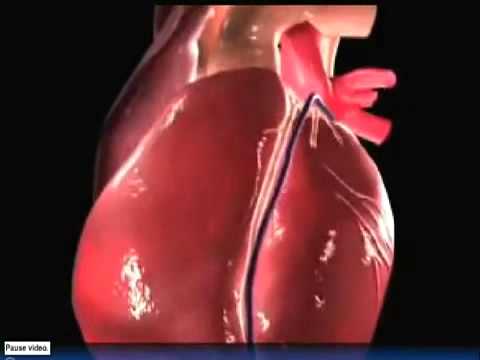
Watch Heart Attack in 3D
You Might Also Like
Erector Spinae Back Extension-23
Cable OH Tricep Extension
How To: Standing Overhead Tricep Rope Extensions
Skeletal System And Asanas Video – 5
Multivitamin-Produkte – sinnvoll? (60 fps)
Calculate your own body mass index | Miscellaneous | Heatlh & Medicine | Khan Academy
Dumbbell Chest Workout (INCOMPLETE WITHOUT THIS!)

Islamic Nutrition Laws Video – 1
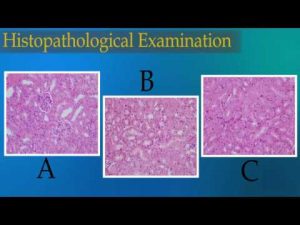
protective effect of telmisartan … the first AE work ..
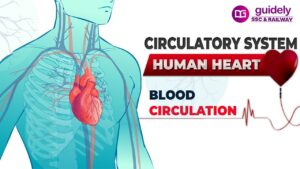
Circulatory System Heart BP And Asanas Video – 4
Gymnastics Video – 4
Bodybuilding Nutrition, Diet Recipes & Workout – 14
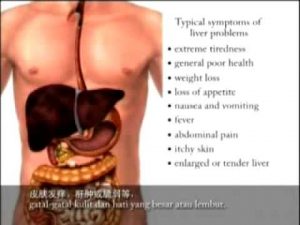
How Milk Thistle and Dandelion helps liver cells?
Protein Shake Before or After Workout?

Jaundice Explained- What is Bilirubin?
Estrogen Dominance
Canoeing Video – 2
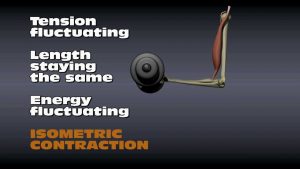
Muscle Contraction Types
Physiological Meaning
What Can Help Prevent a Stroke – Check Your Heart Rhythm

PROTONIX LIVE PERFORMANCE
PECK DECK for CHEST! (Hindi / Punjabi)
Lying Triceps Extension-4
National Geographic: The Science and Truth About Anabolic Steroids
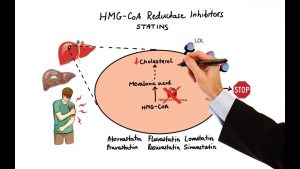
Pharmacology – DRUGS FOR HYPERLIPIDEMIA (MADE EASY)
Pre Workout Drink | LEAN MODE by Guru Mann | Health and Fitness
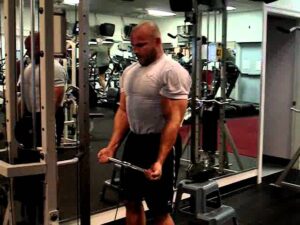
Low Pulley Biceps Curl
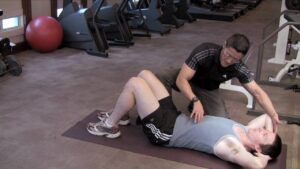
Crunches-7
How To Lose Weight Fast 5kgs In 7 Days – Full Day Diet Plan For Weight Loss – Lose Weight Fast-Day 1

Relactation and induced lactation | Breastfeeding

Cross Fit Training Video – 1
Intra Workout- What your retailer will never tell you.
Water – Functions Of Water In The Body – Benefits Of Drinking Water
Testosterone & Androgenic Effects Video – 6
Circuit Training – Exercises Ideas
Spa History Video – 3
Shrugs-11
Emergency Psychiatry Video – 2
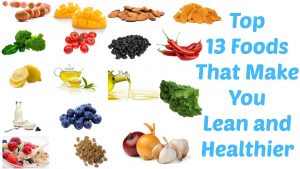
Eat These Food Combinations To Lose Belly Fat Natural Way !!!
Bowen Therapy Video – 3
Intermittent Fasting & Fasting Video – 29